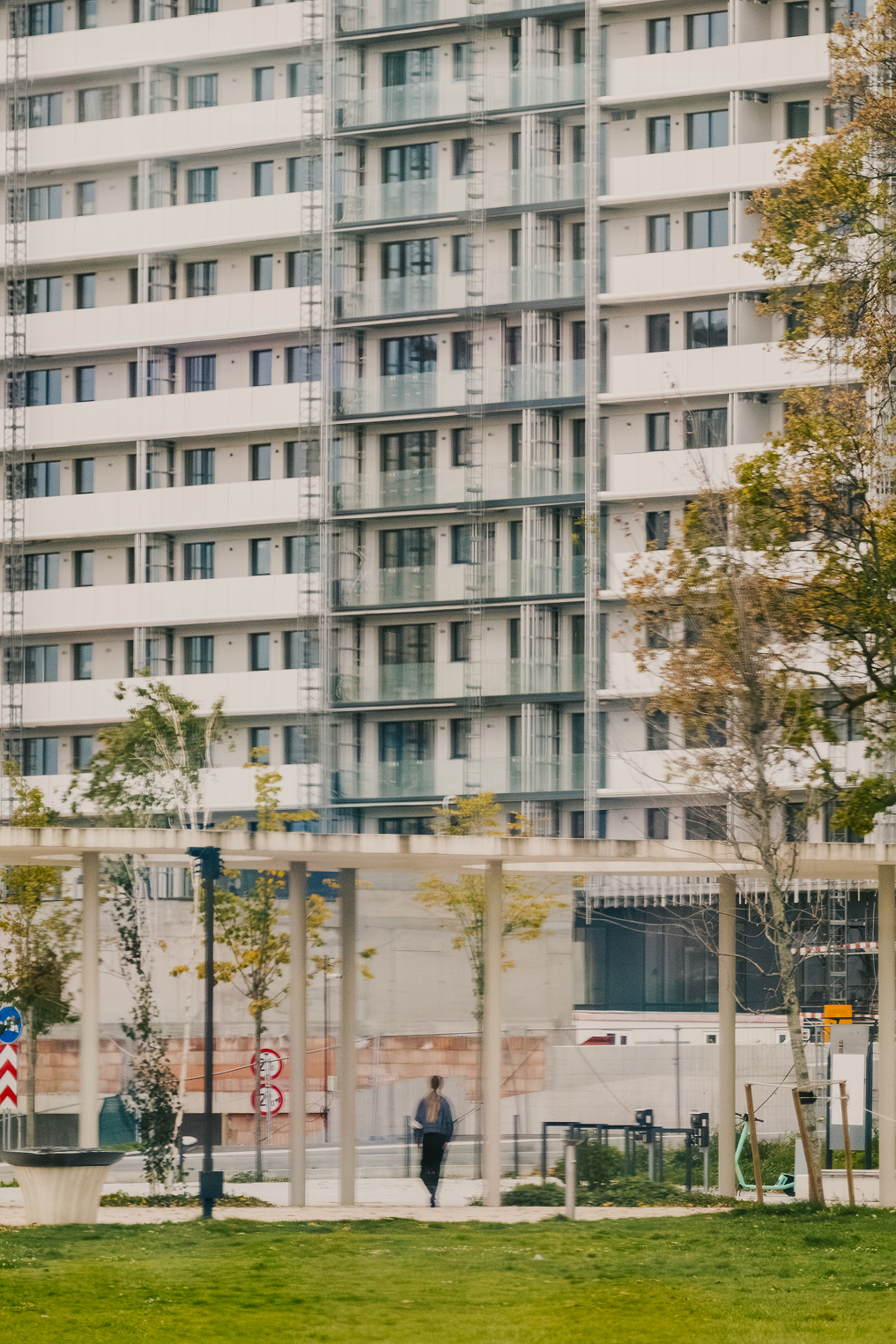
Vortex
2025
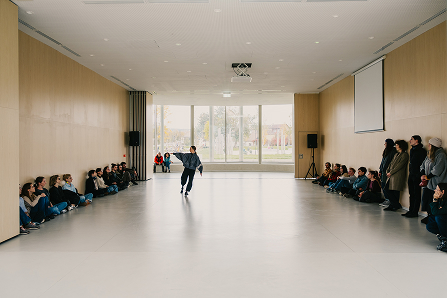
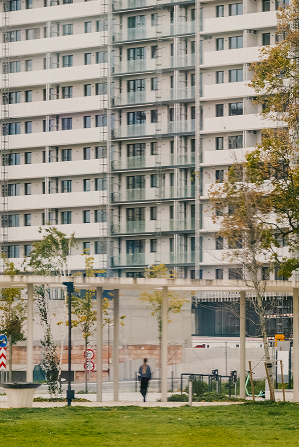
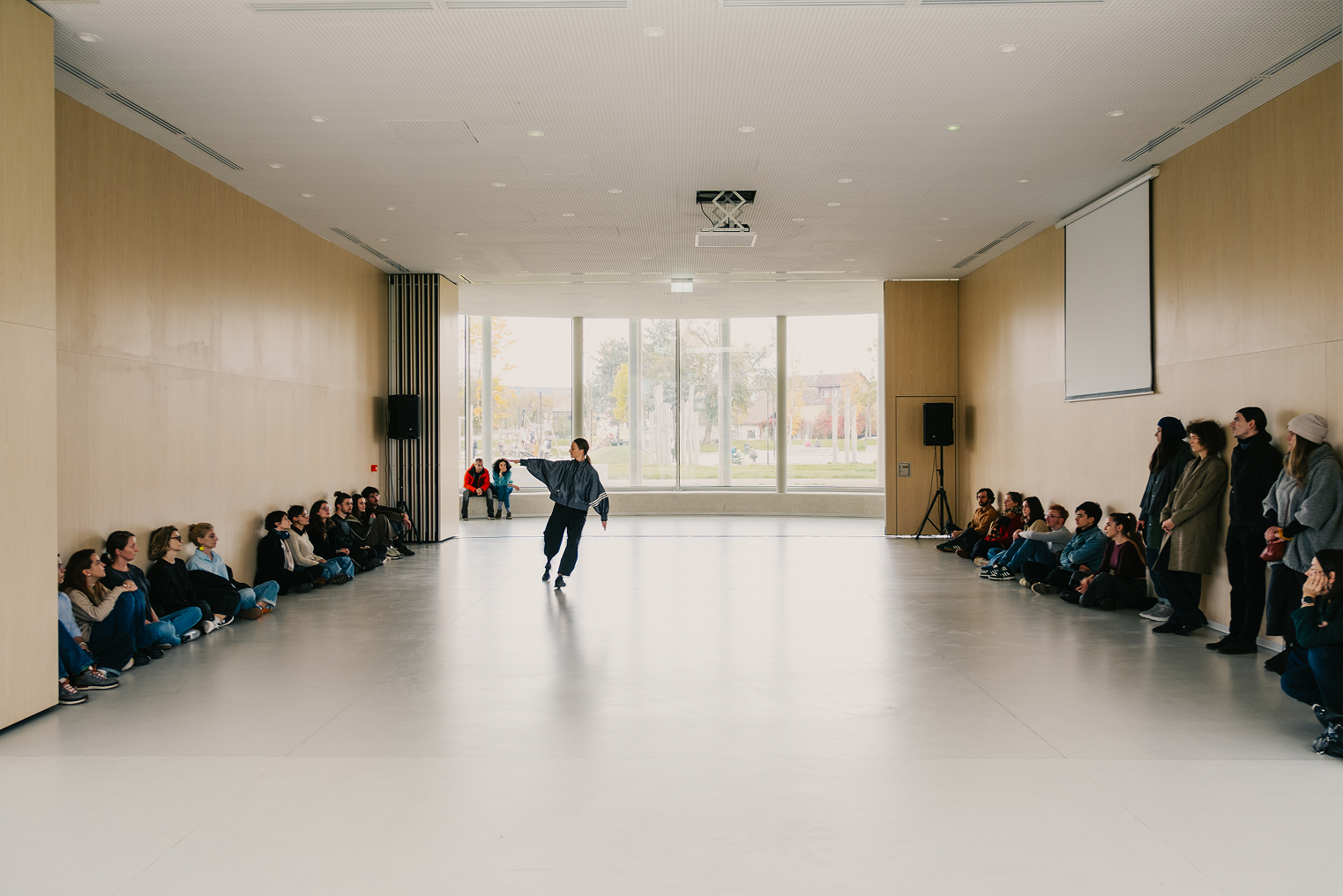
Location: Youth Pavilion (Feroviarilor Park), Cluj-Napoca
Concept, choreography and performance: Oana Mureșan
Music and sound design: IXV (Irina Movileanu & Vlad Călin)
Artistic consultant: Cătălin Mardale
Visual artist: Vlad Sulea
Photographer: Mădălin Mărgăritescu
Premiere: September 28, 2025
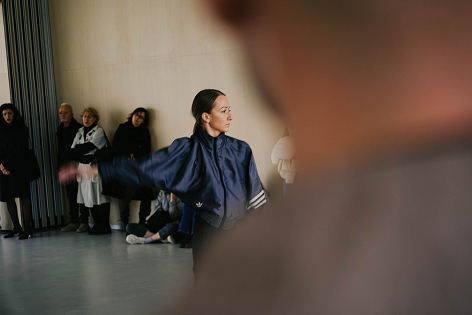
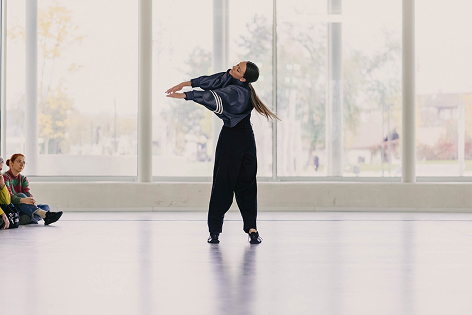
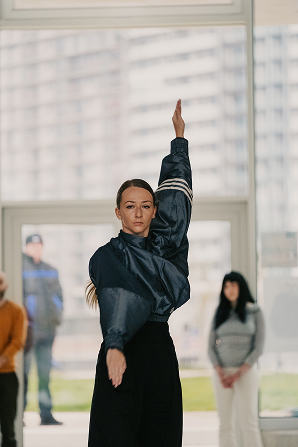
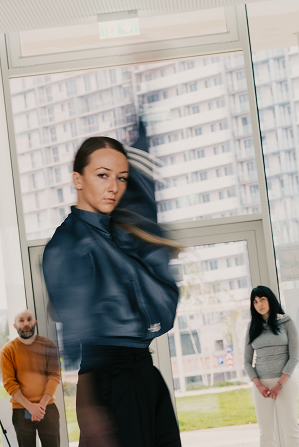
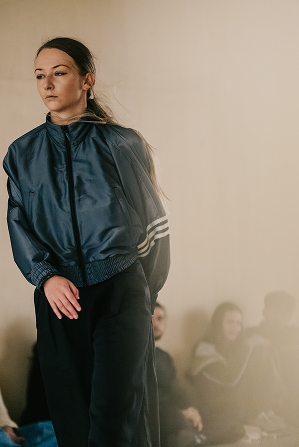
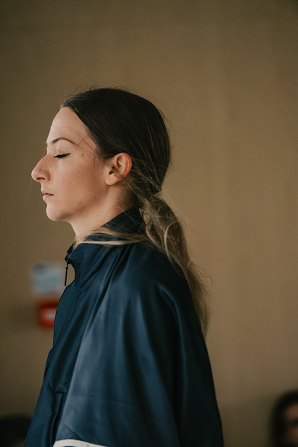
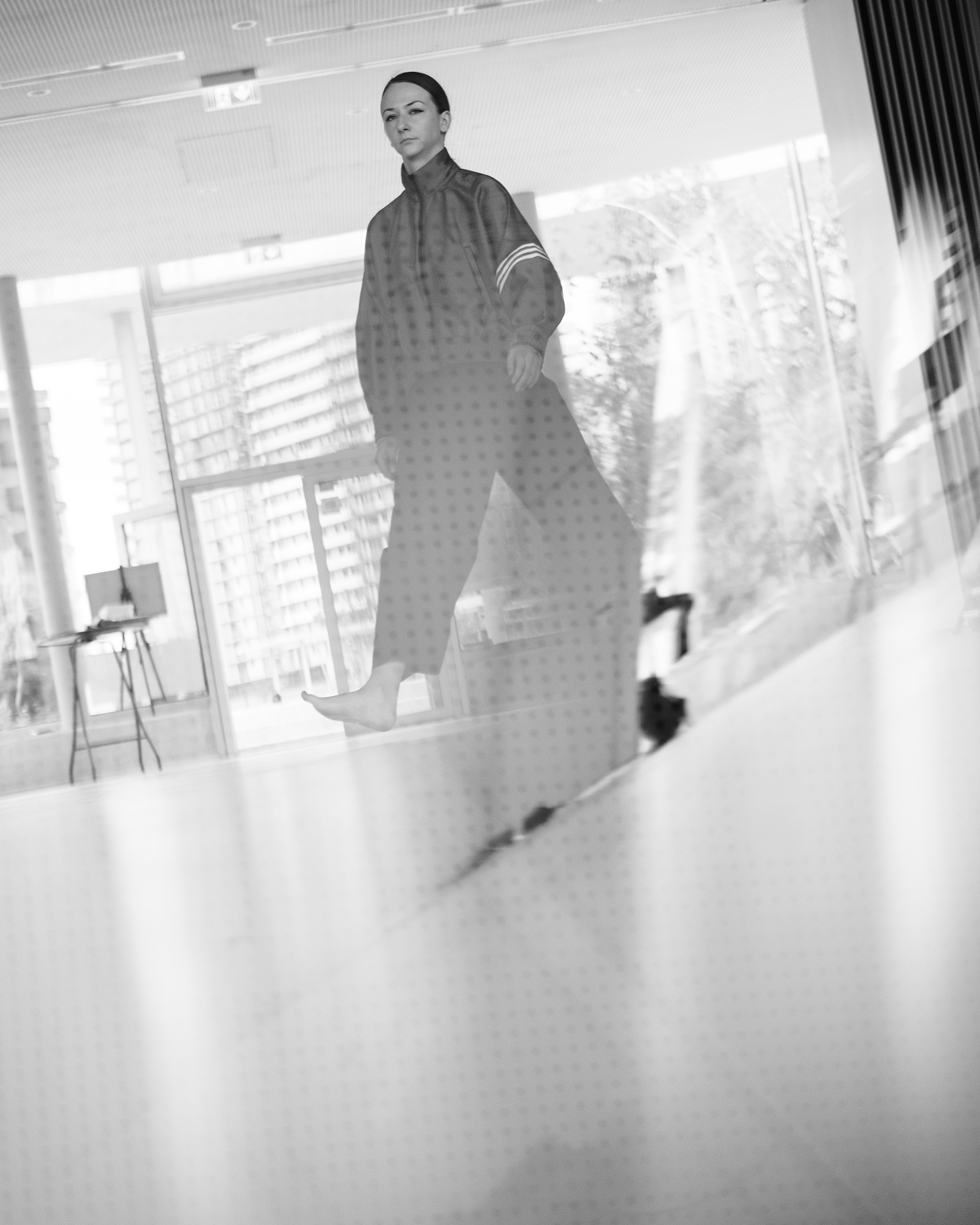
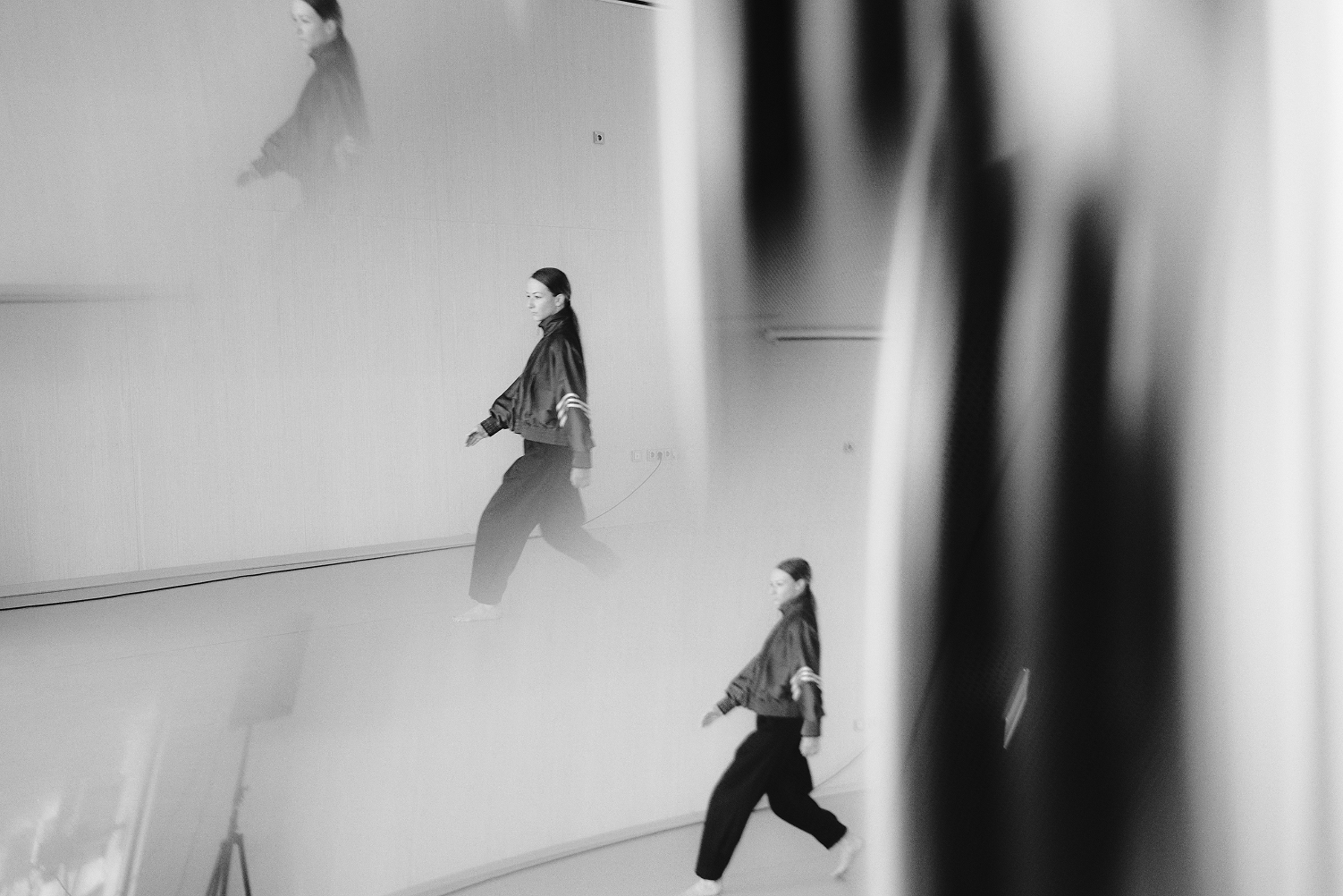
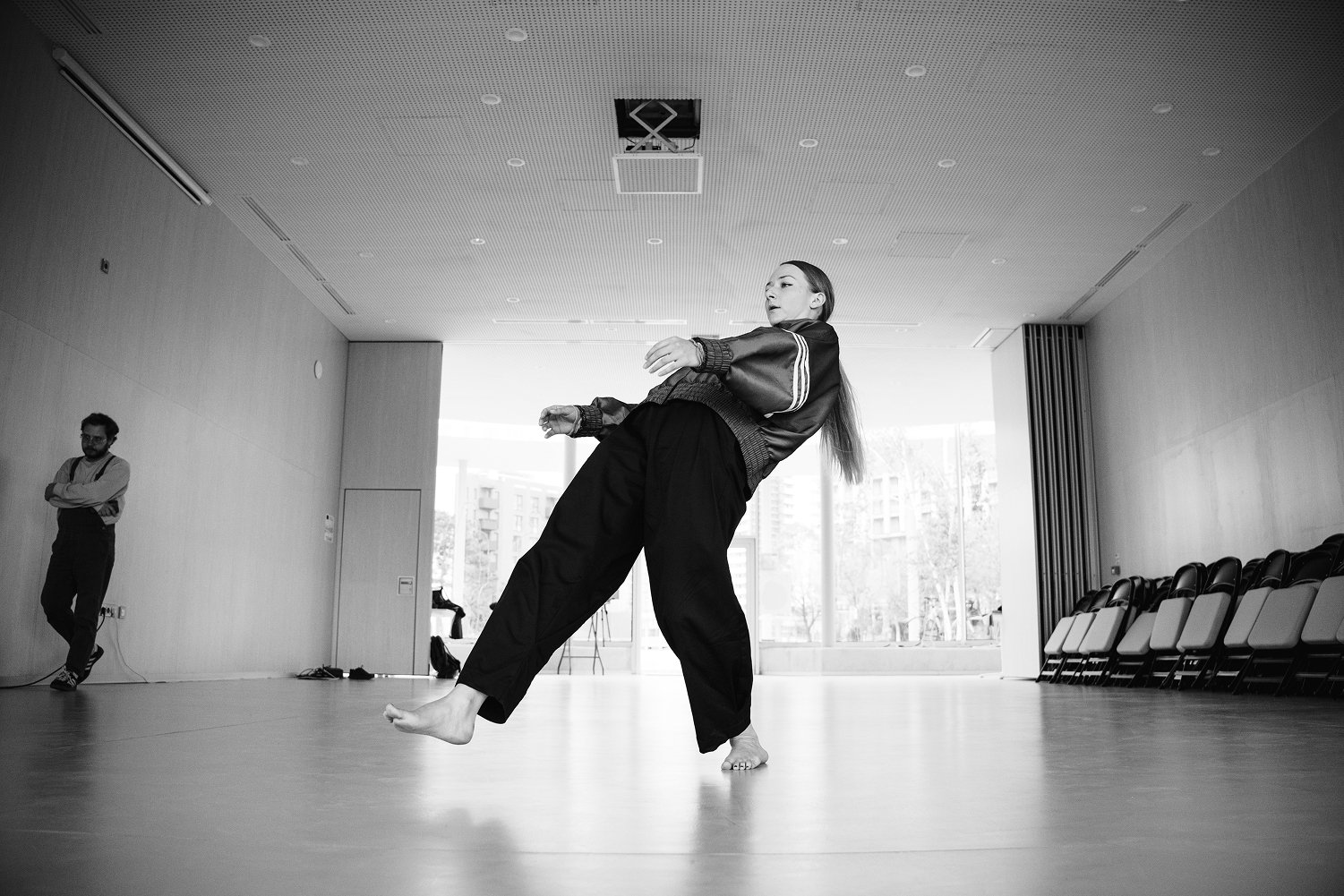
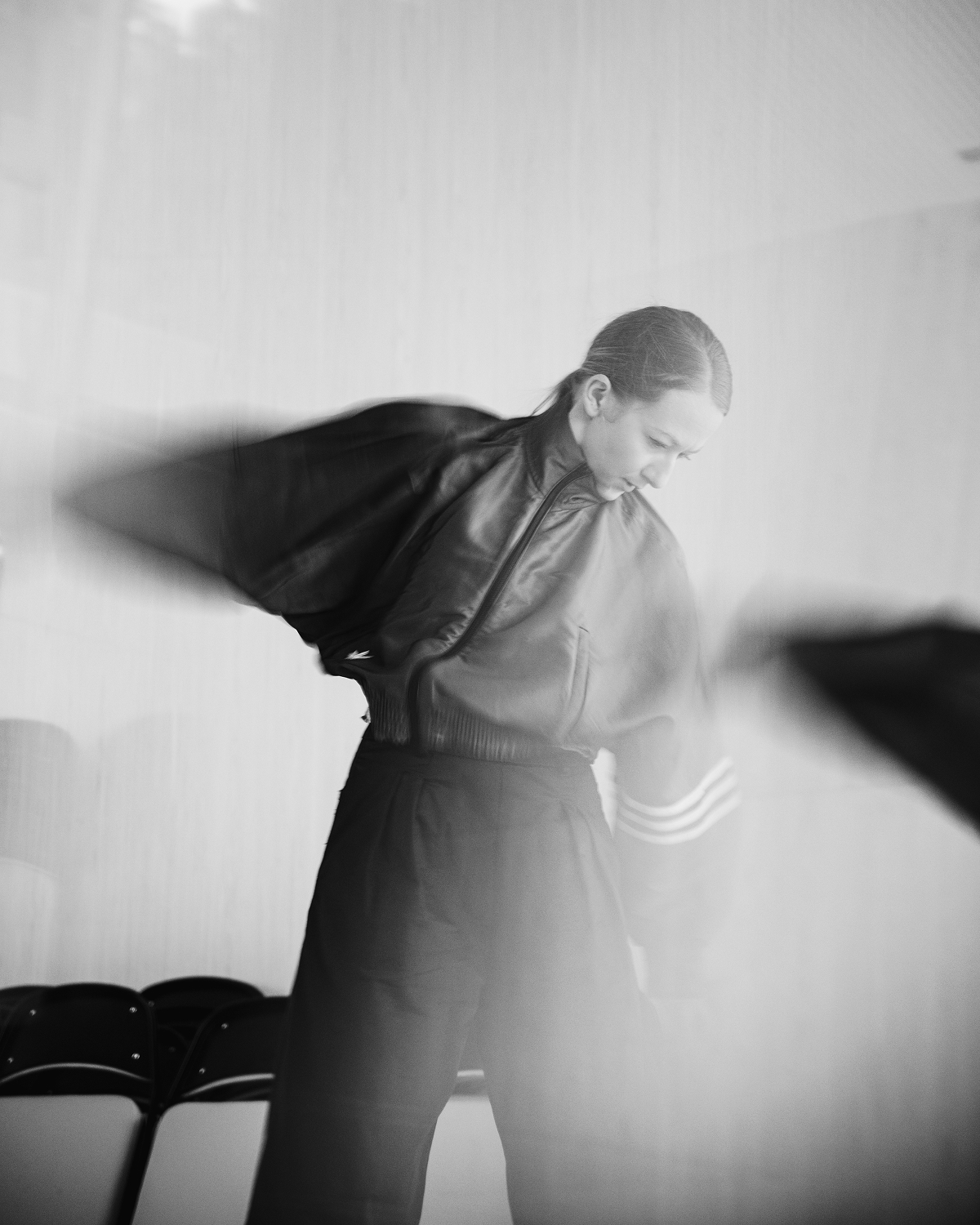
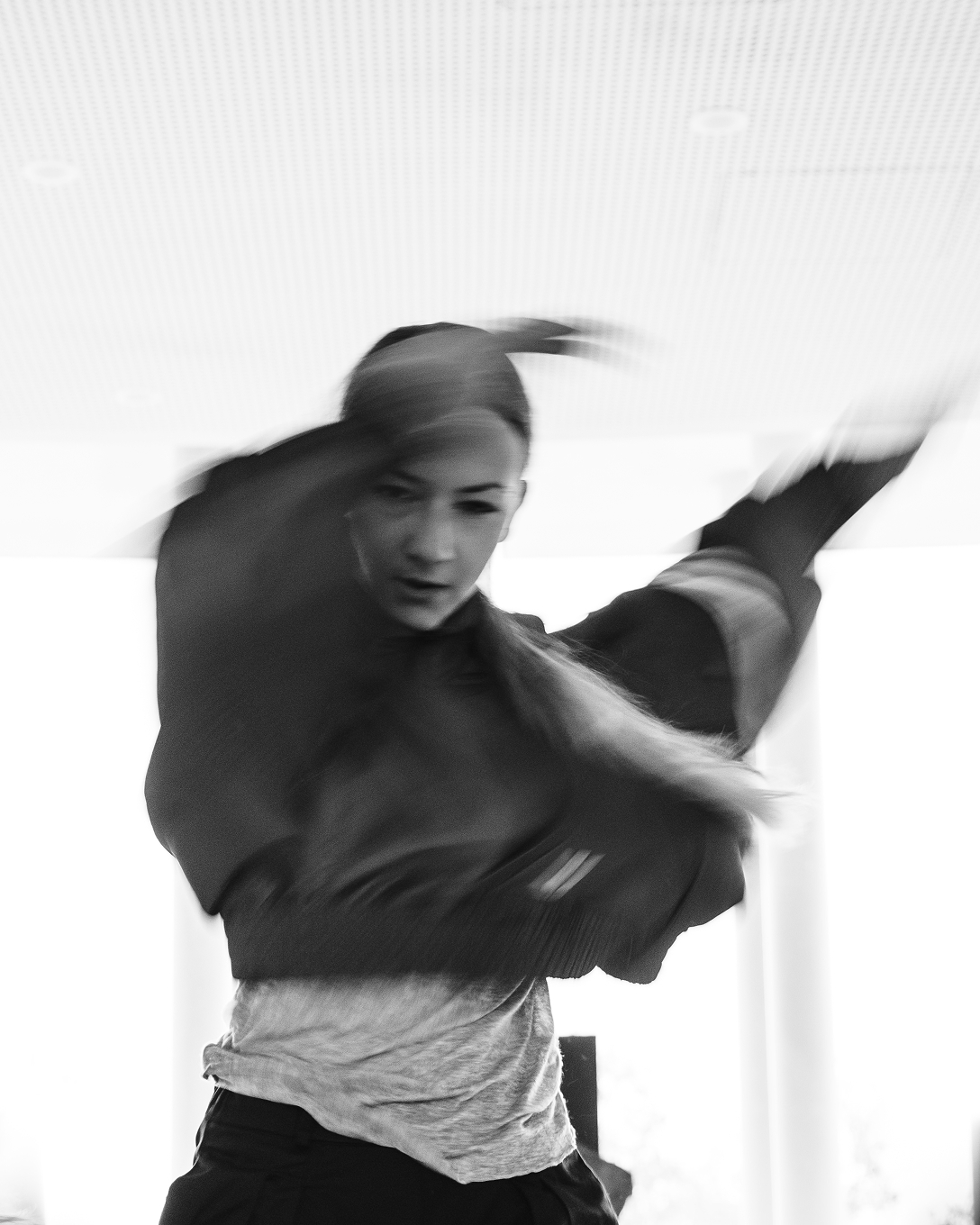
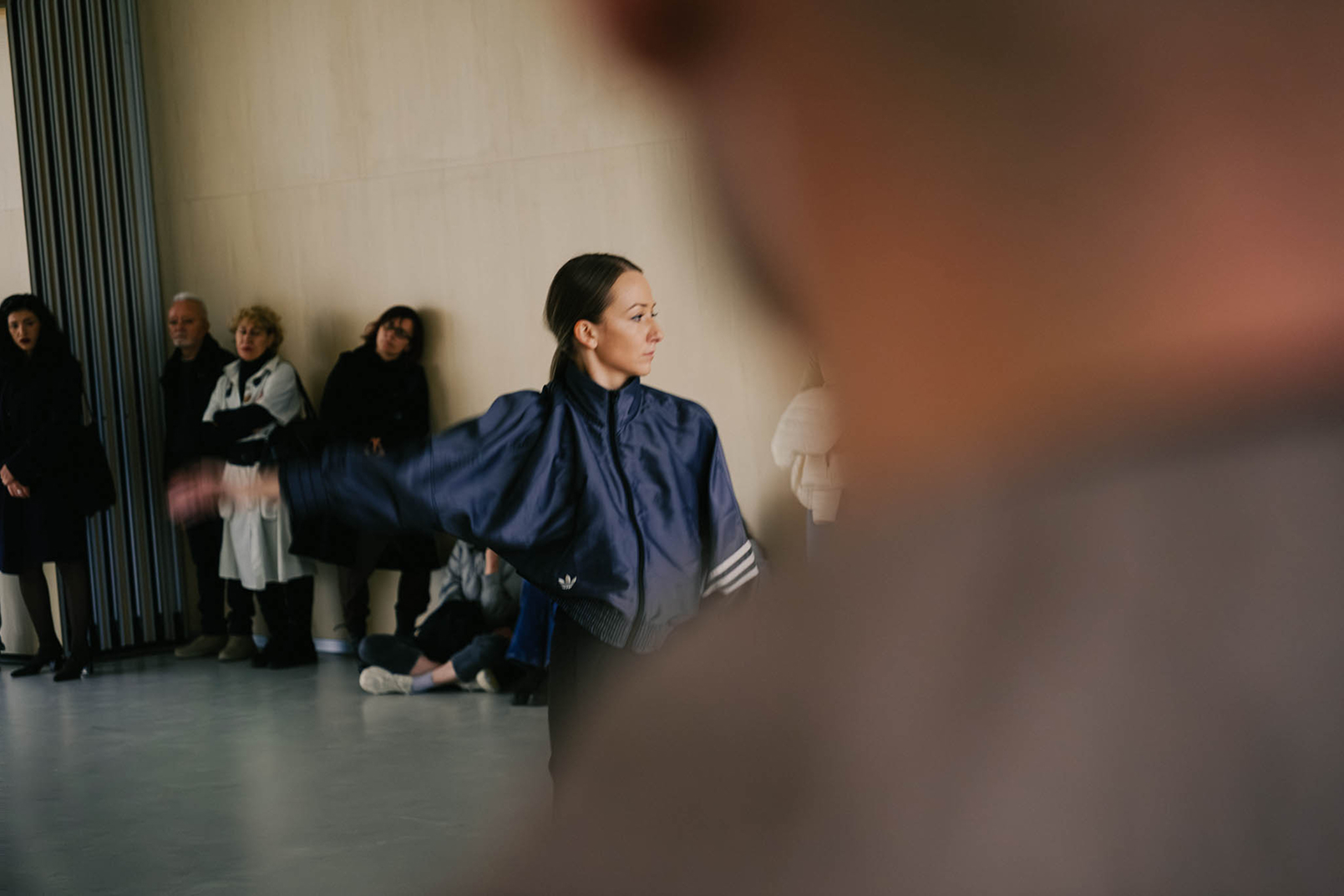
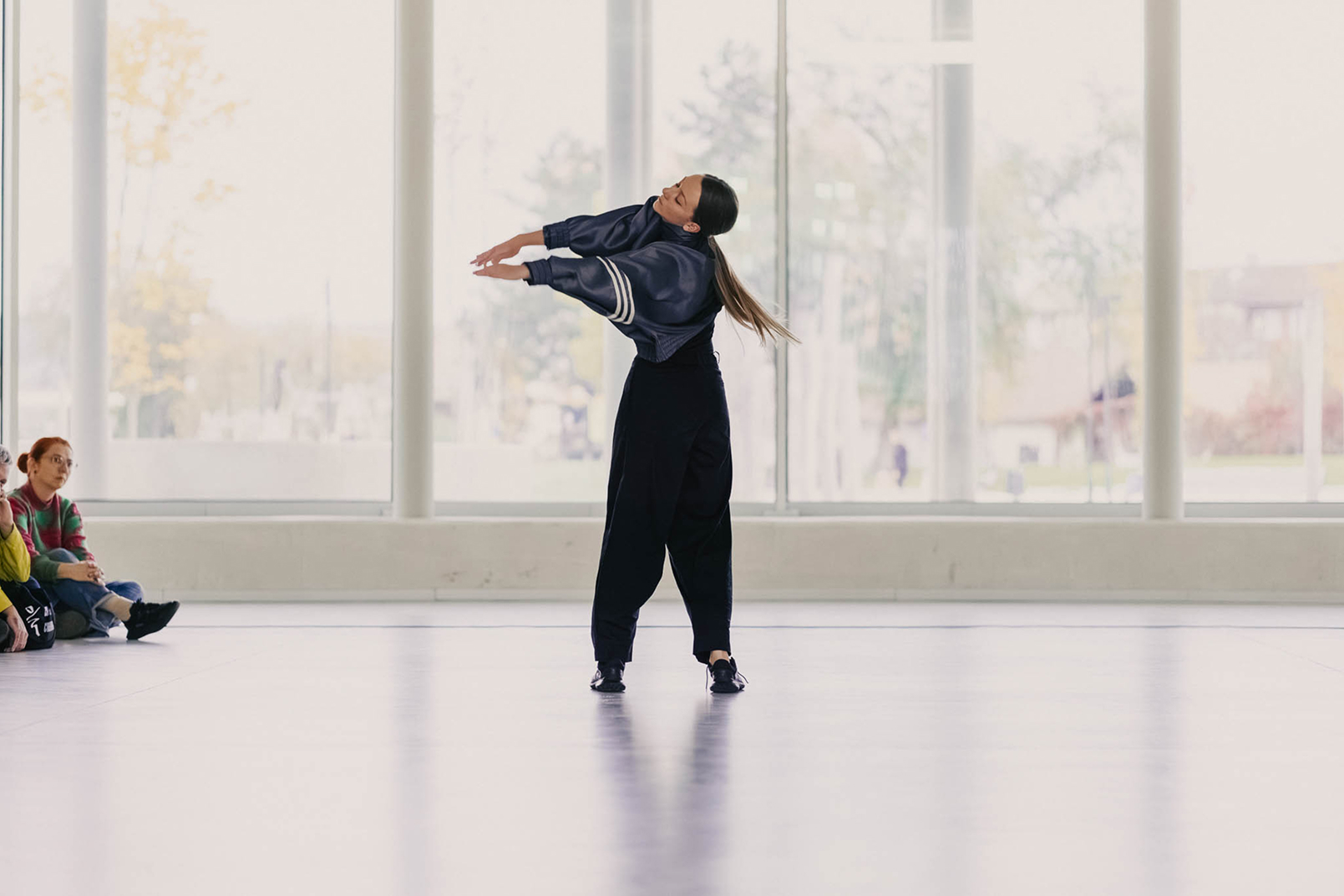
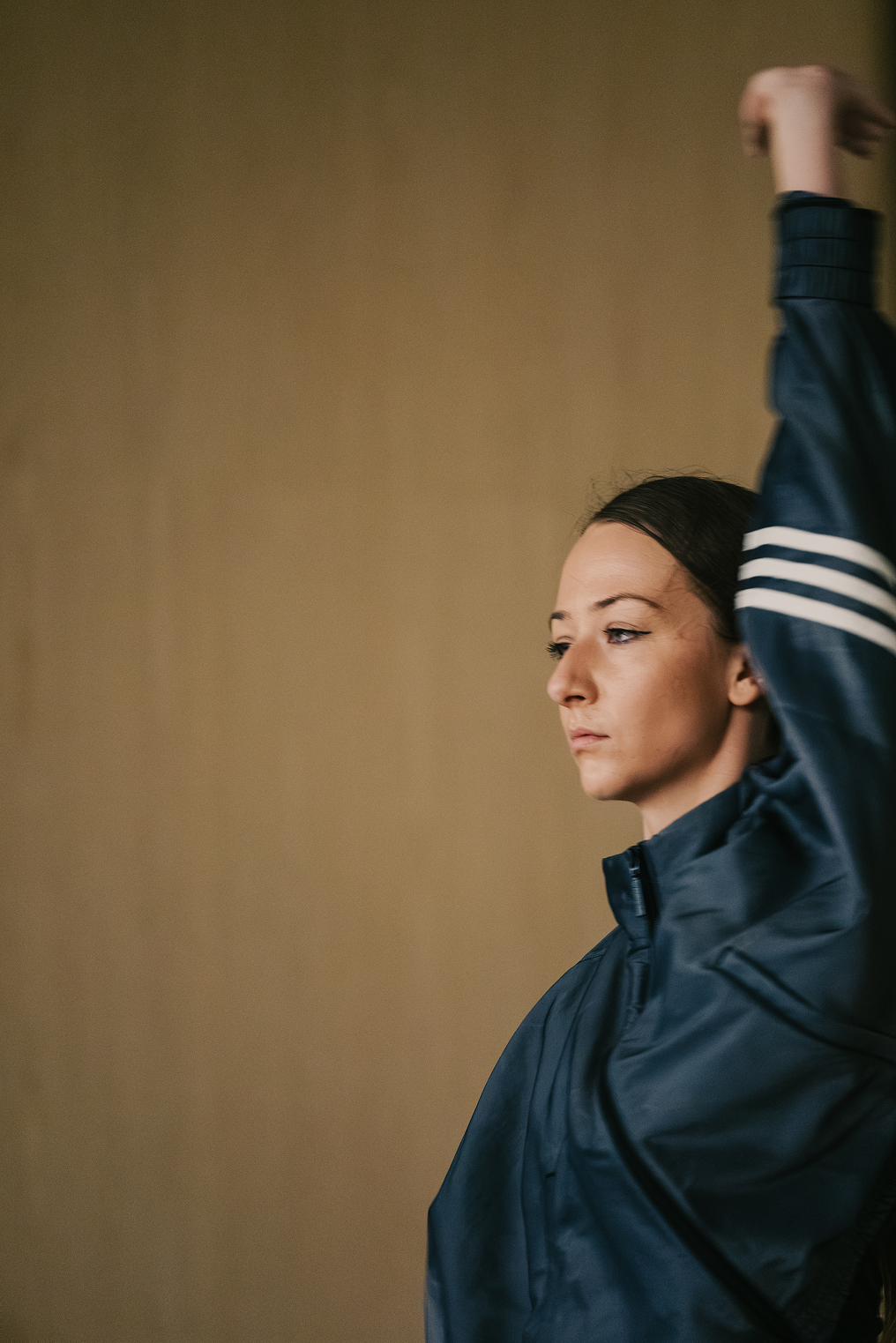
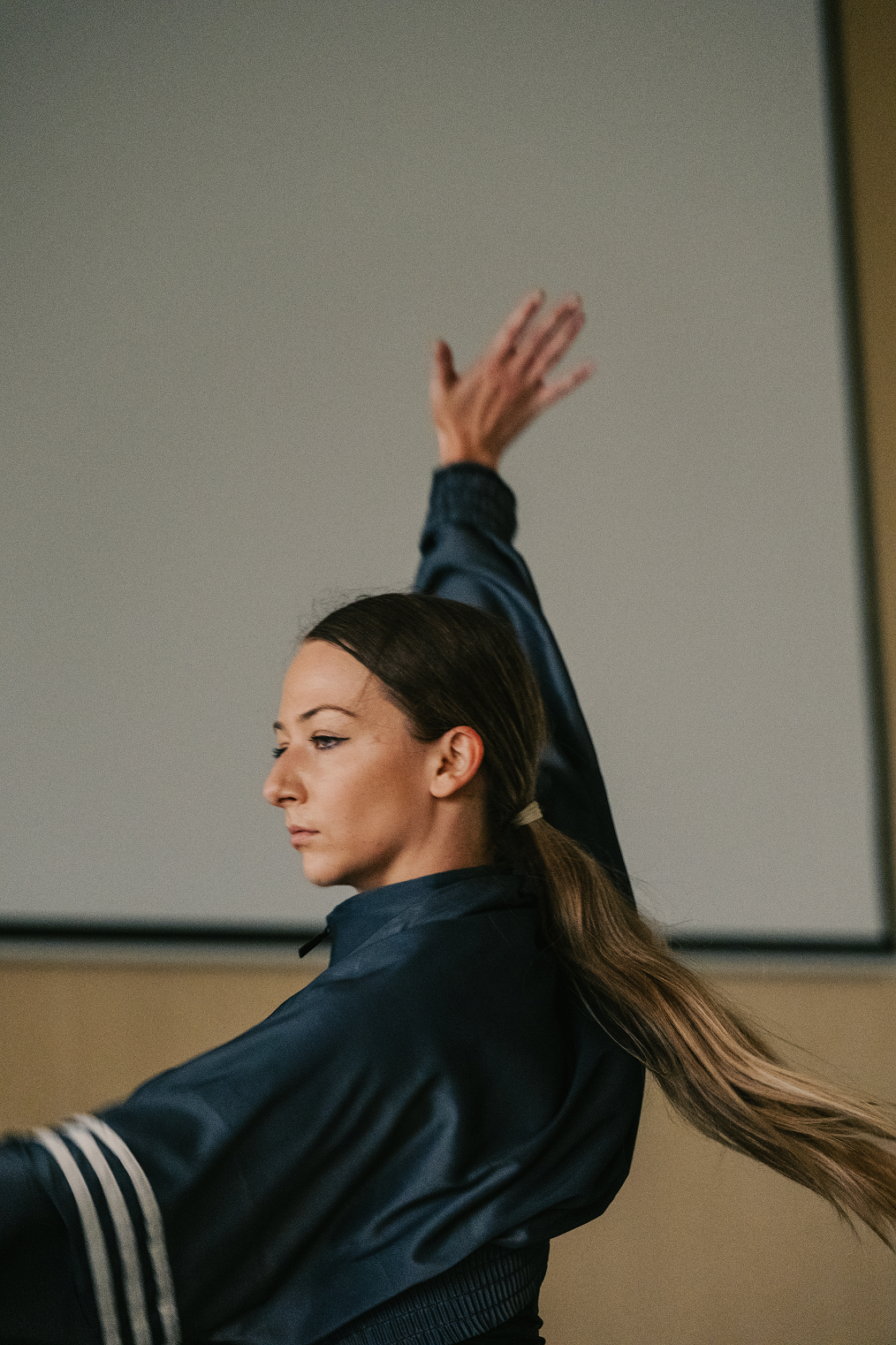
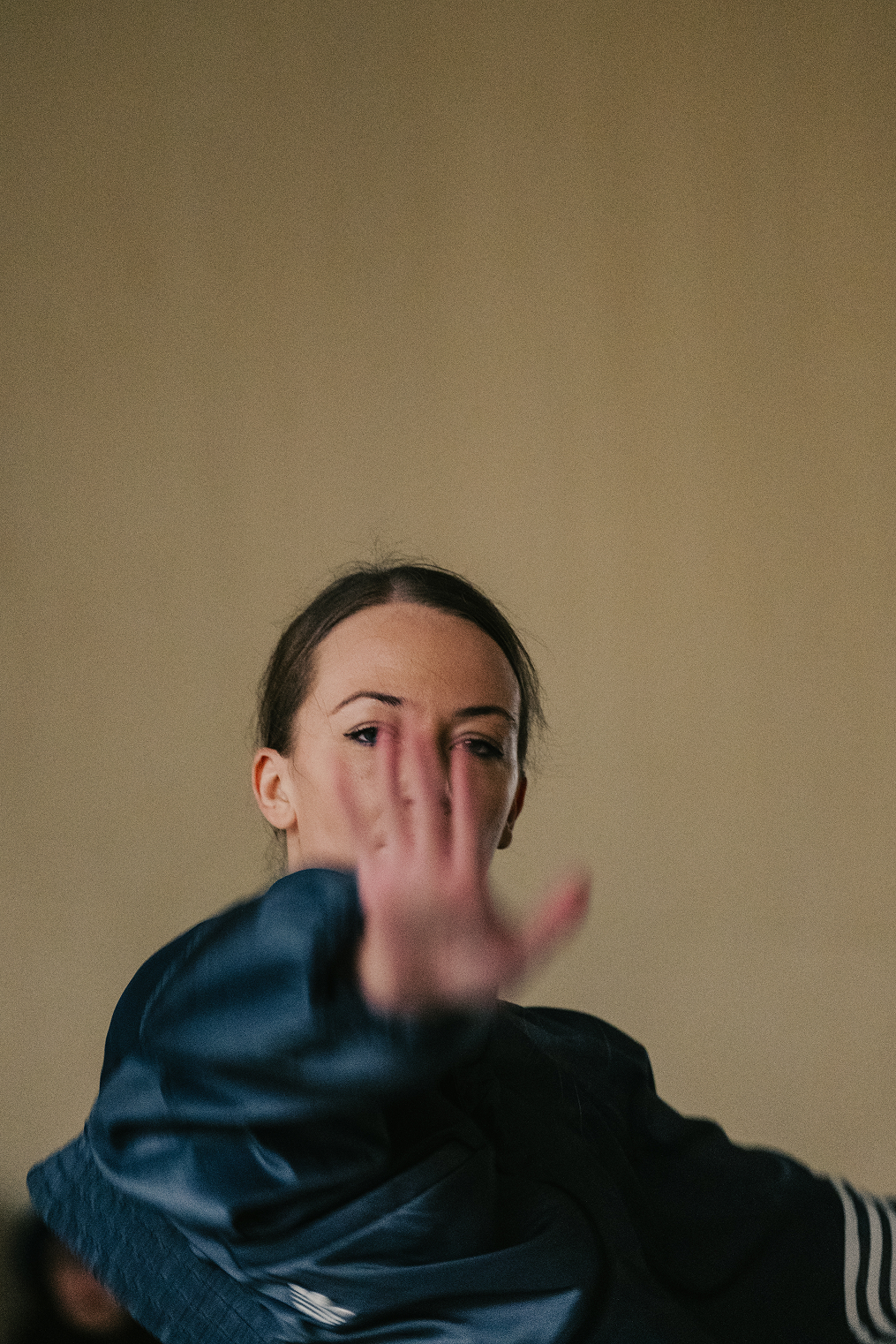
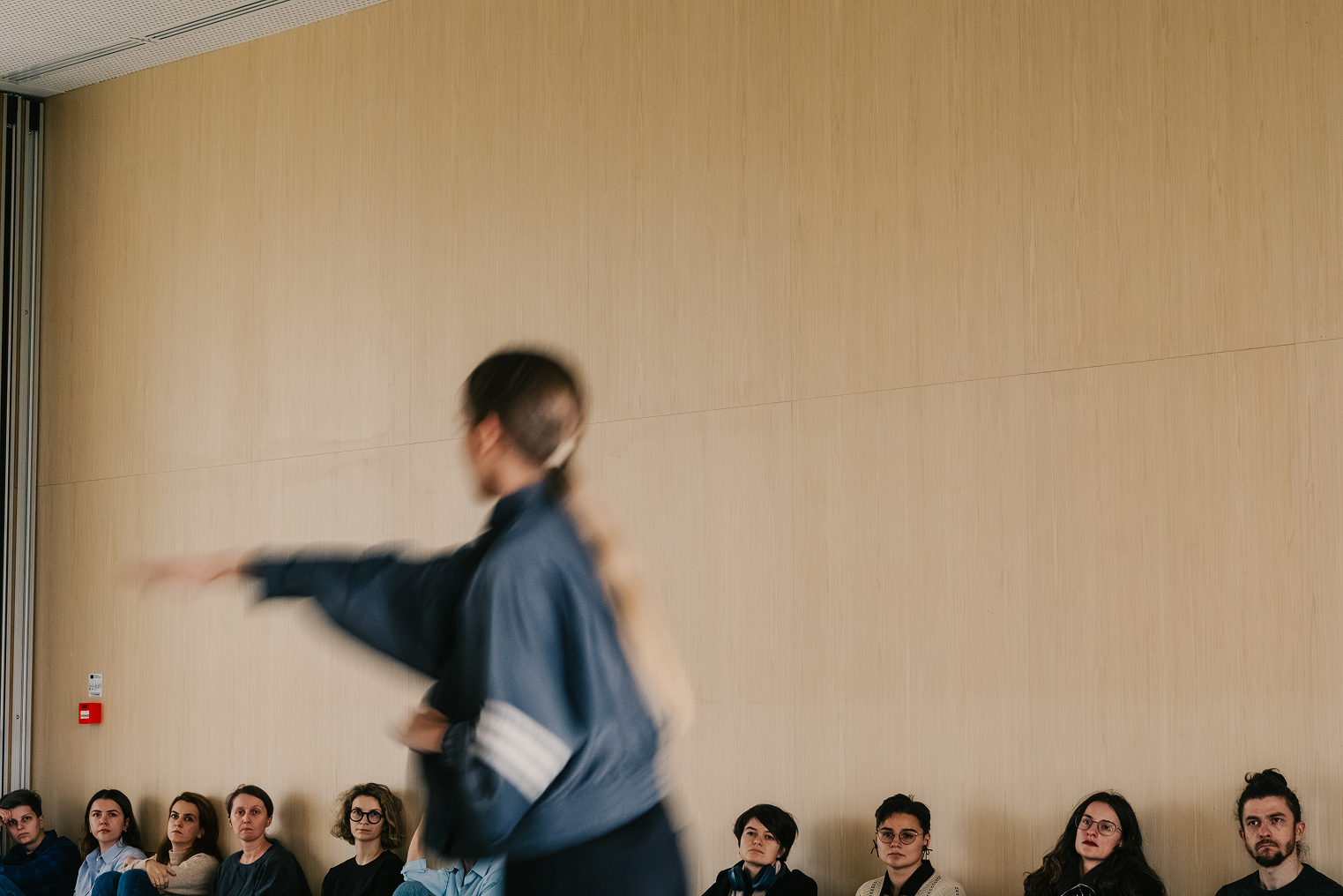
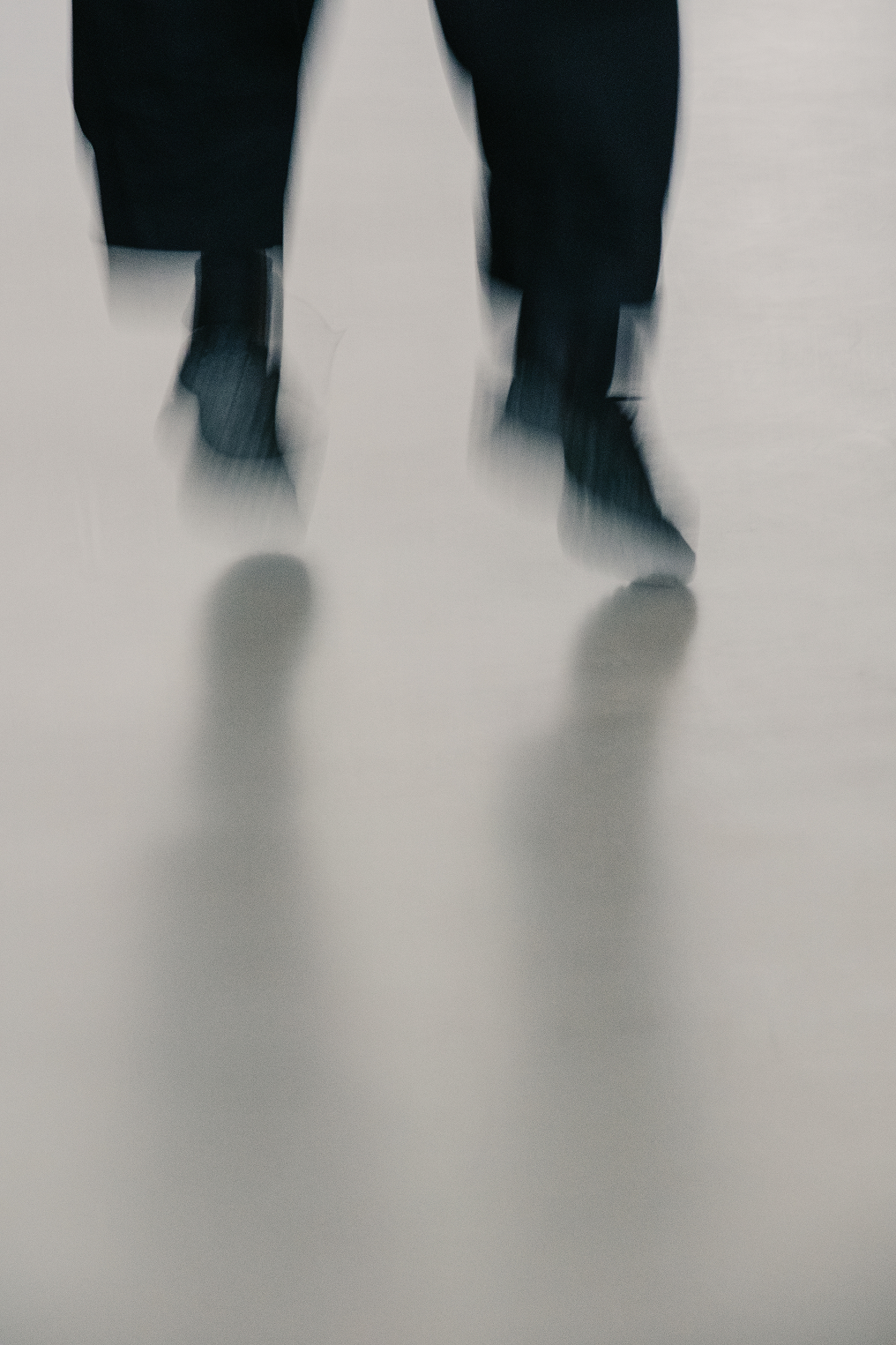
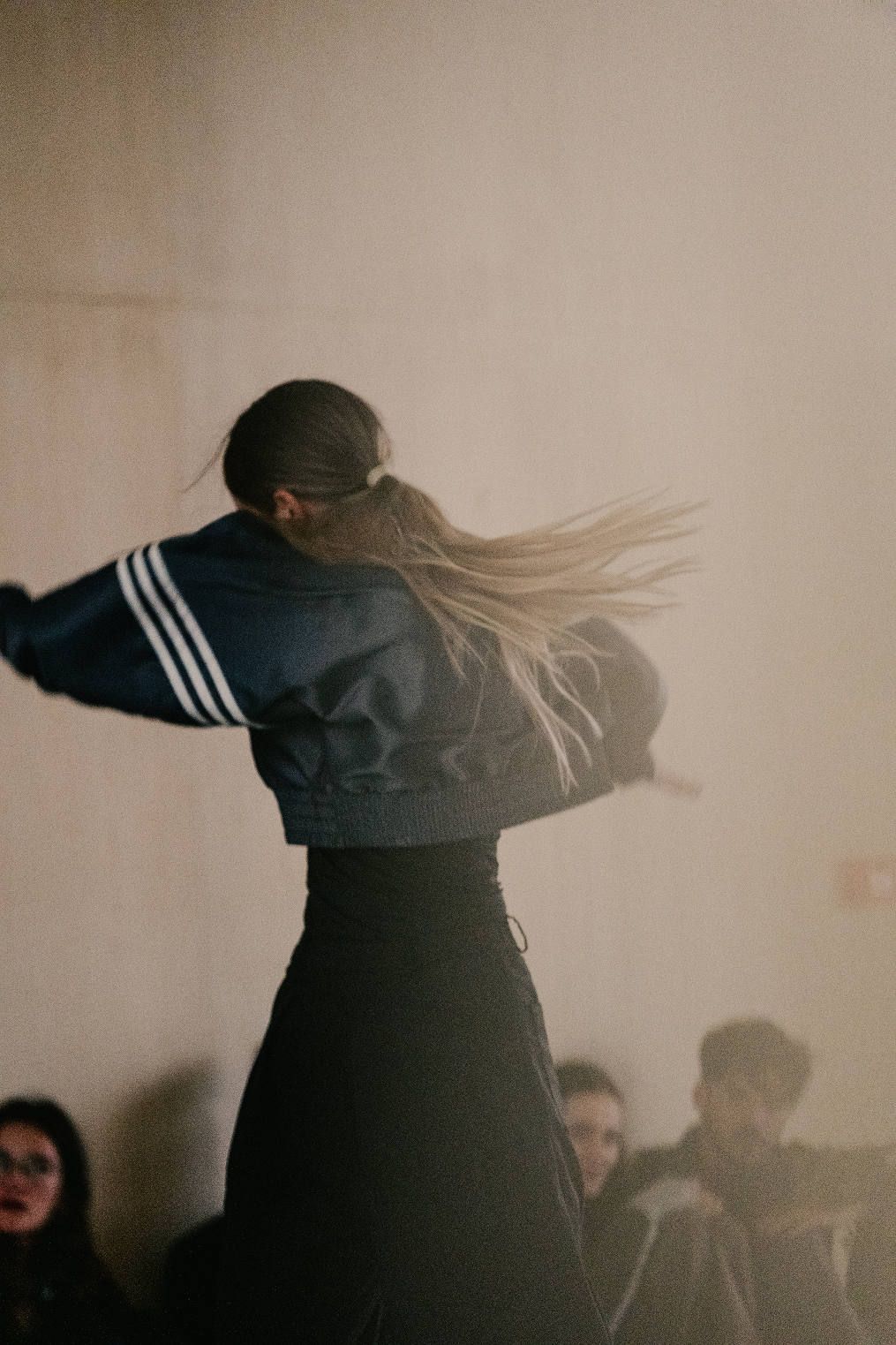
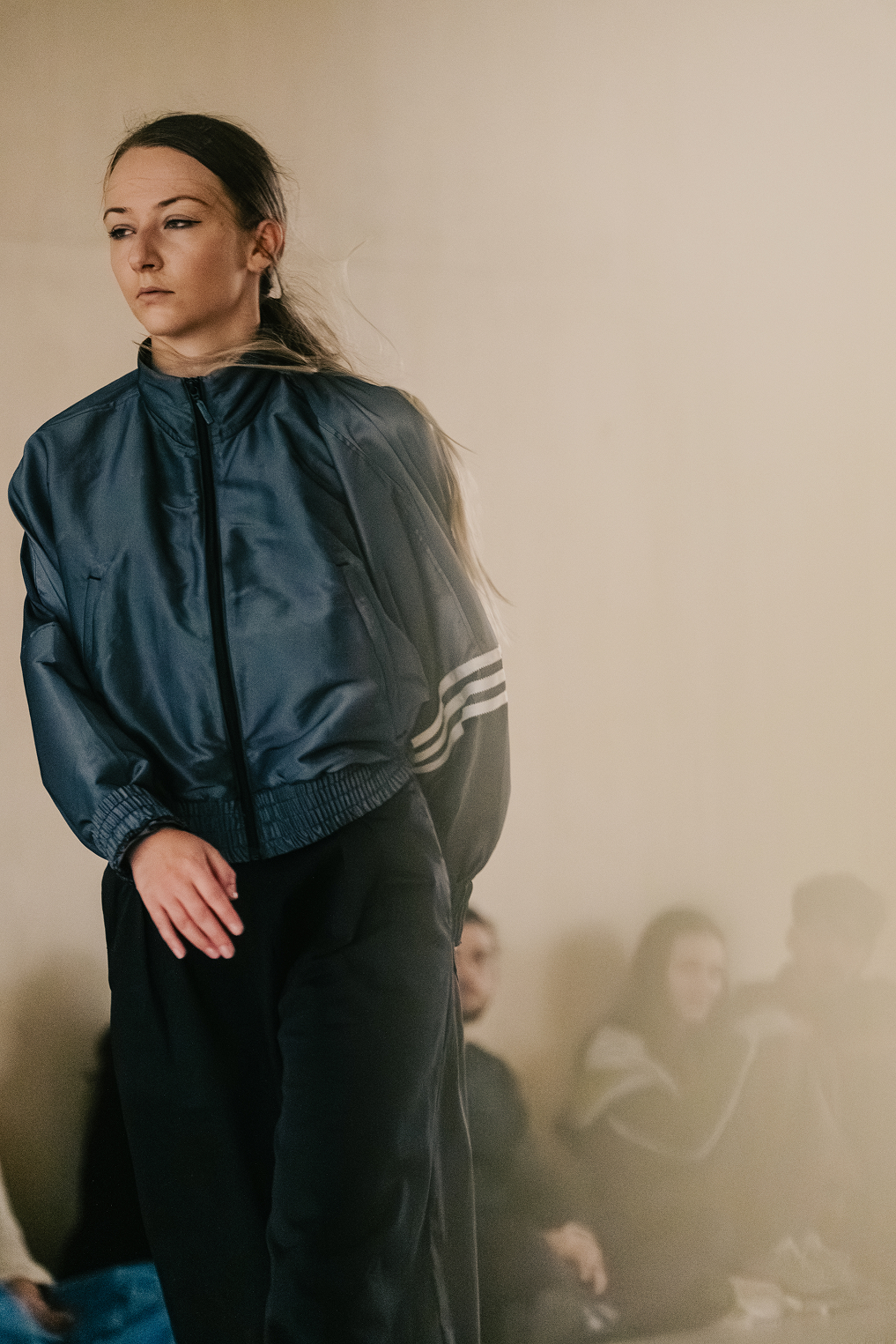
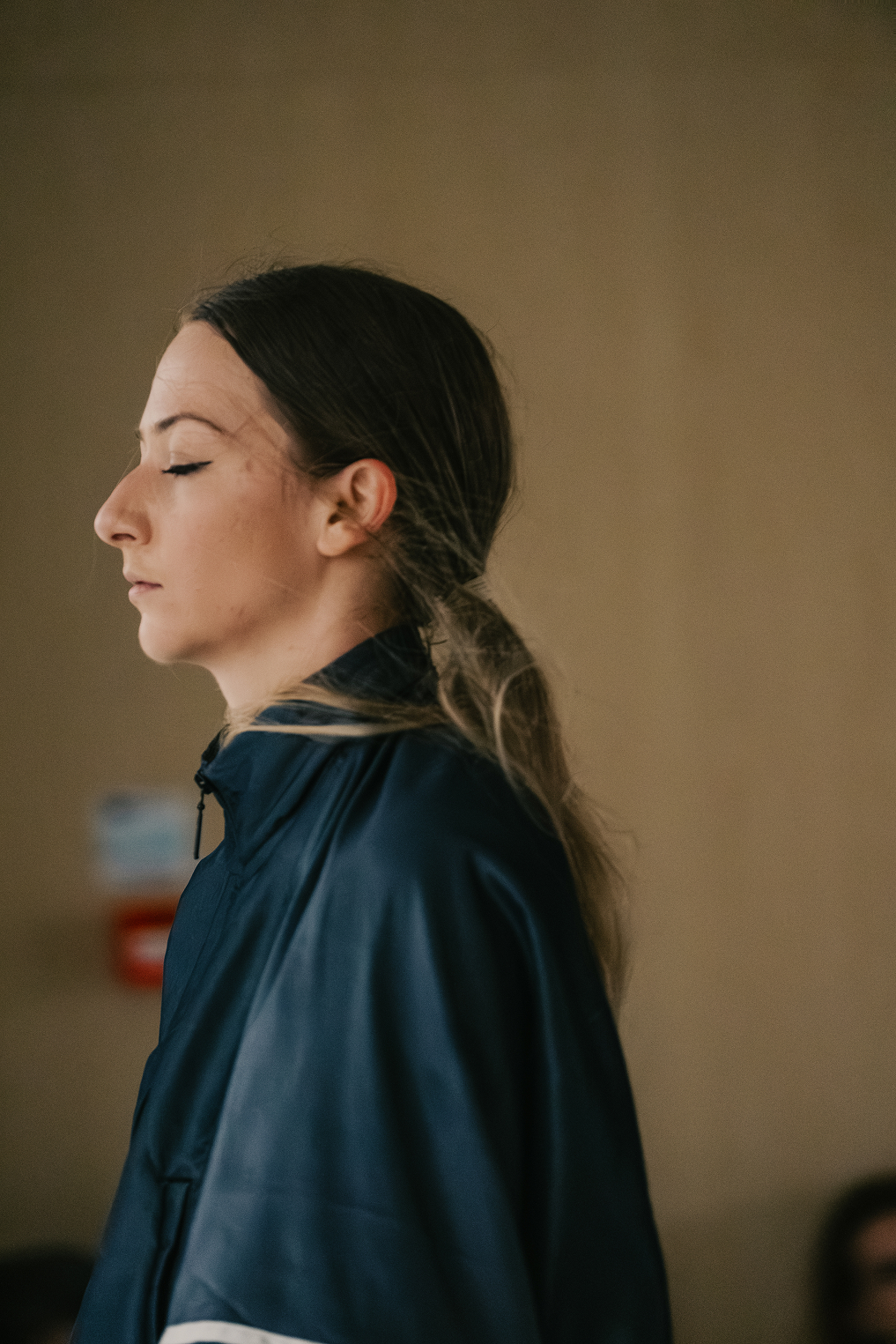
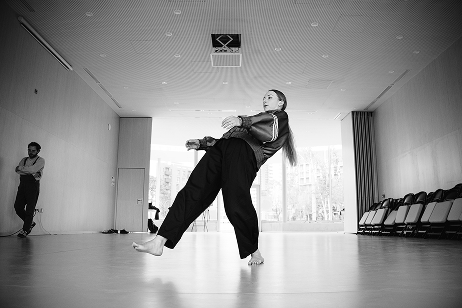
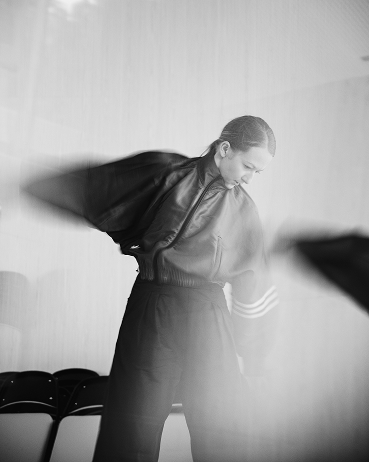
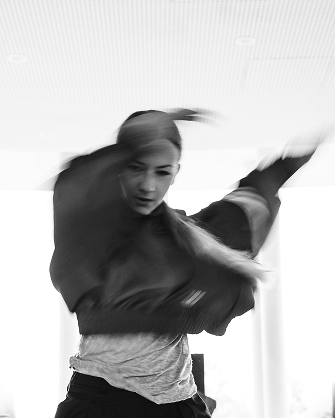
The performance Vortex continues the choreographic research initiated by choreographer Oana Mureșan in the performance Sculpting Space (2022), where the entire space became a sculpture characterized by instability and precarity, infused with the vibration generated by the fact that stillness and movement are decisive and foundational elements of this construction of presence in space. Vortex proposes a deepening of the relationship between body, spatiality, and time through the lens of a natural phenomenon: the vortex.
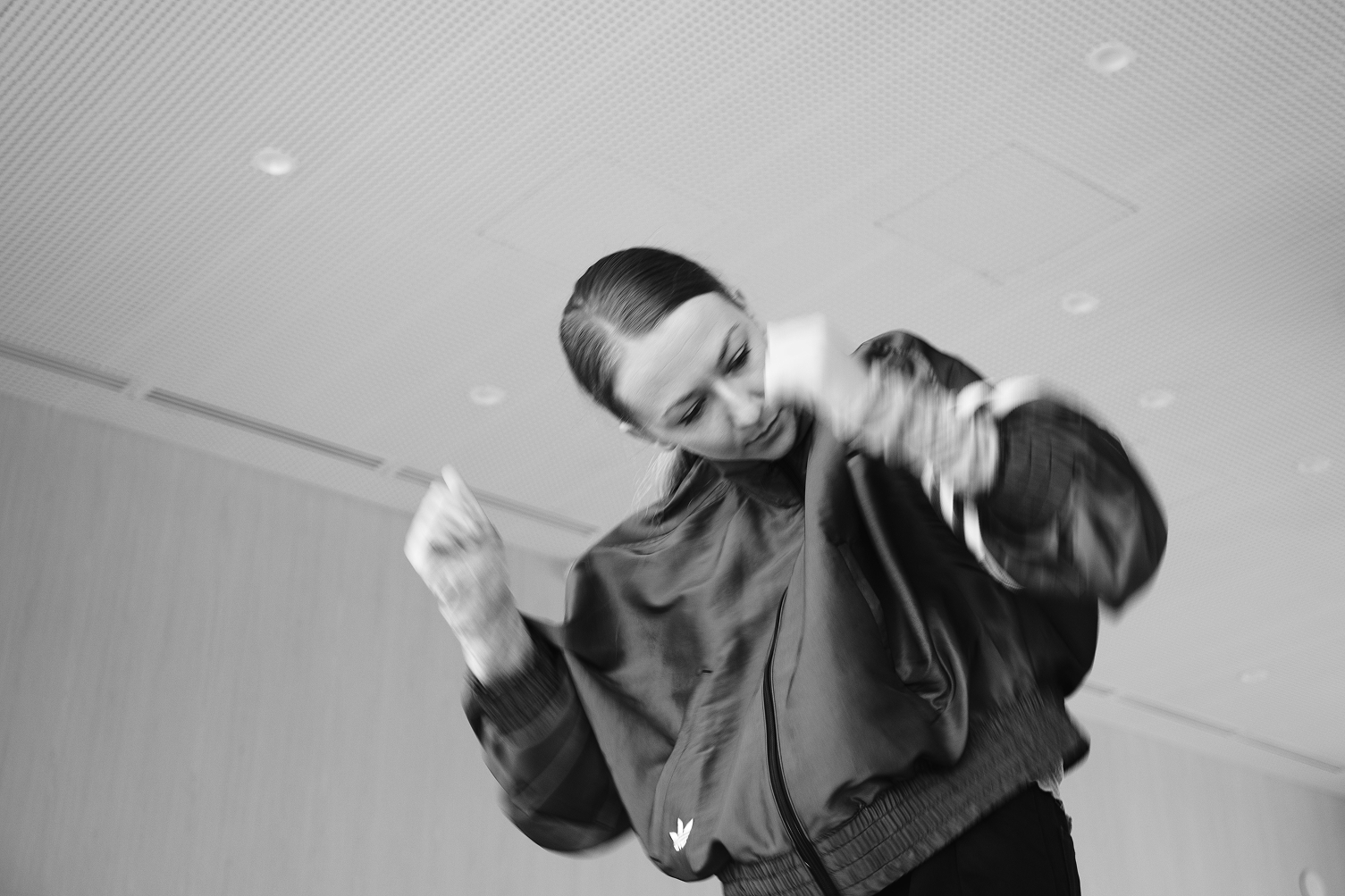
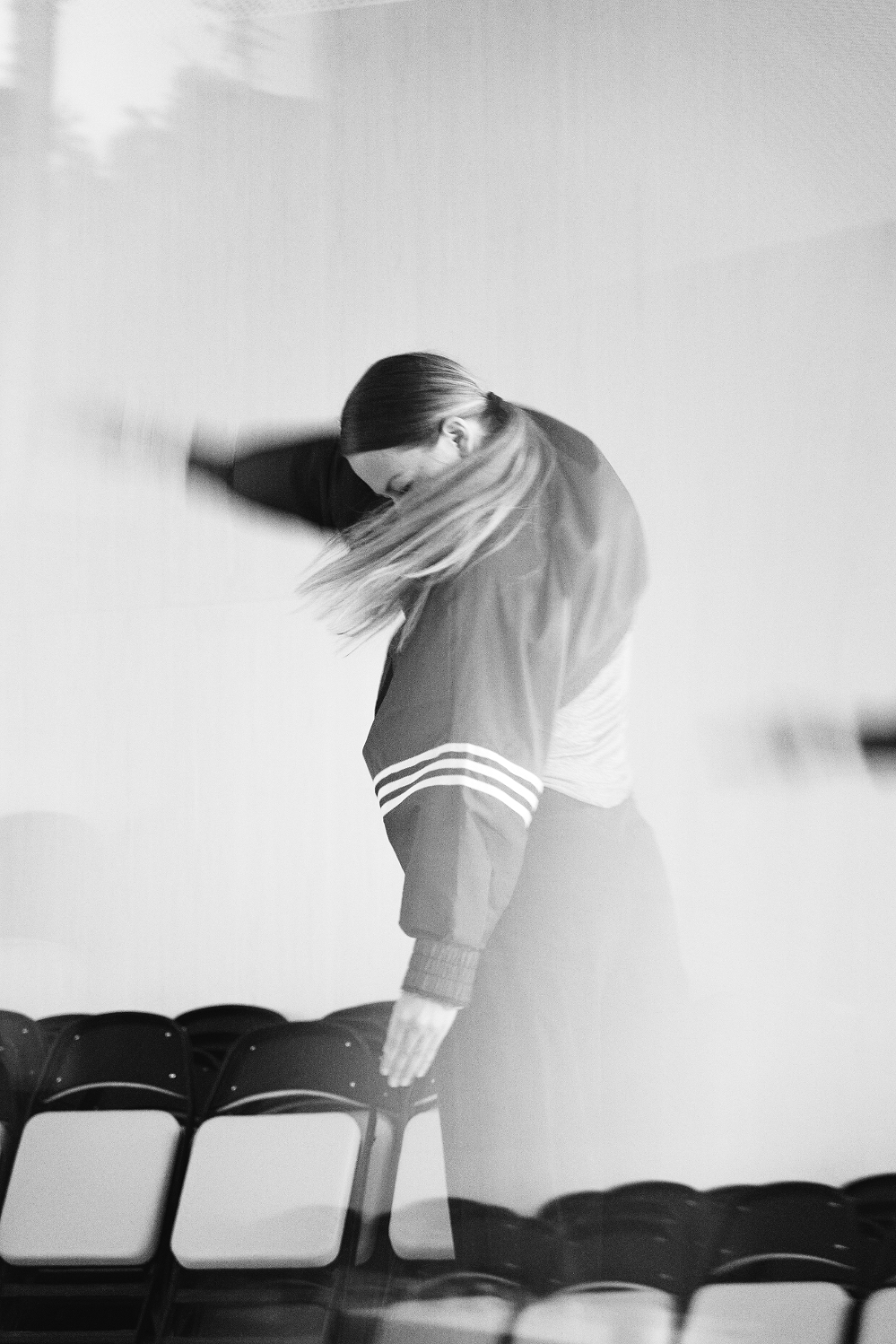
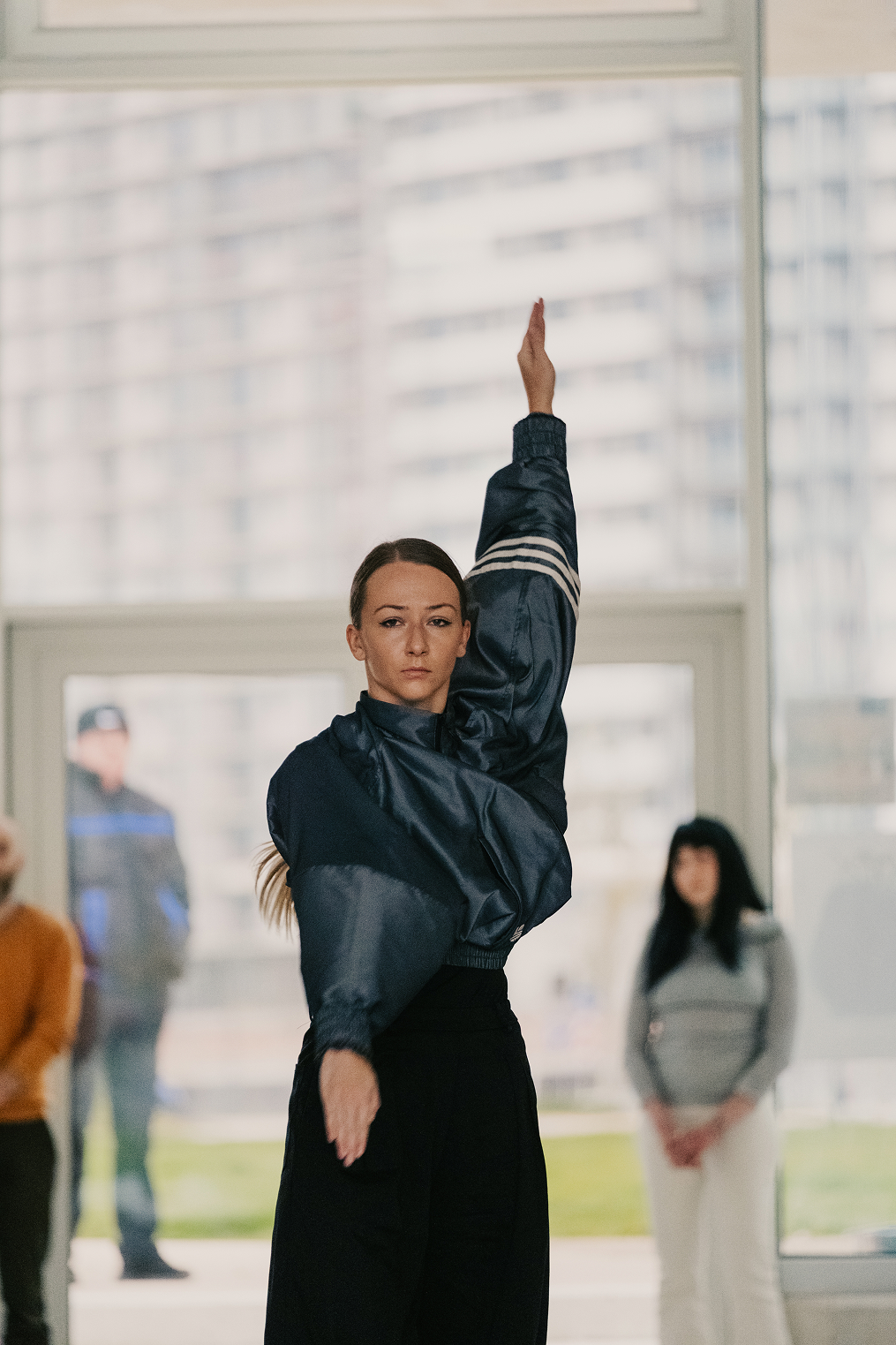
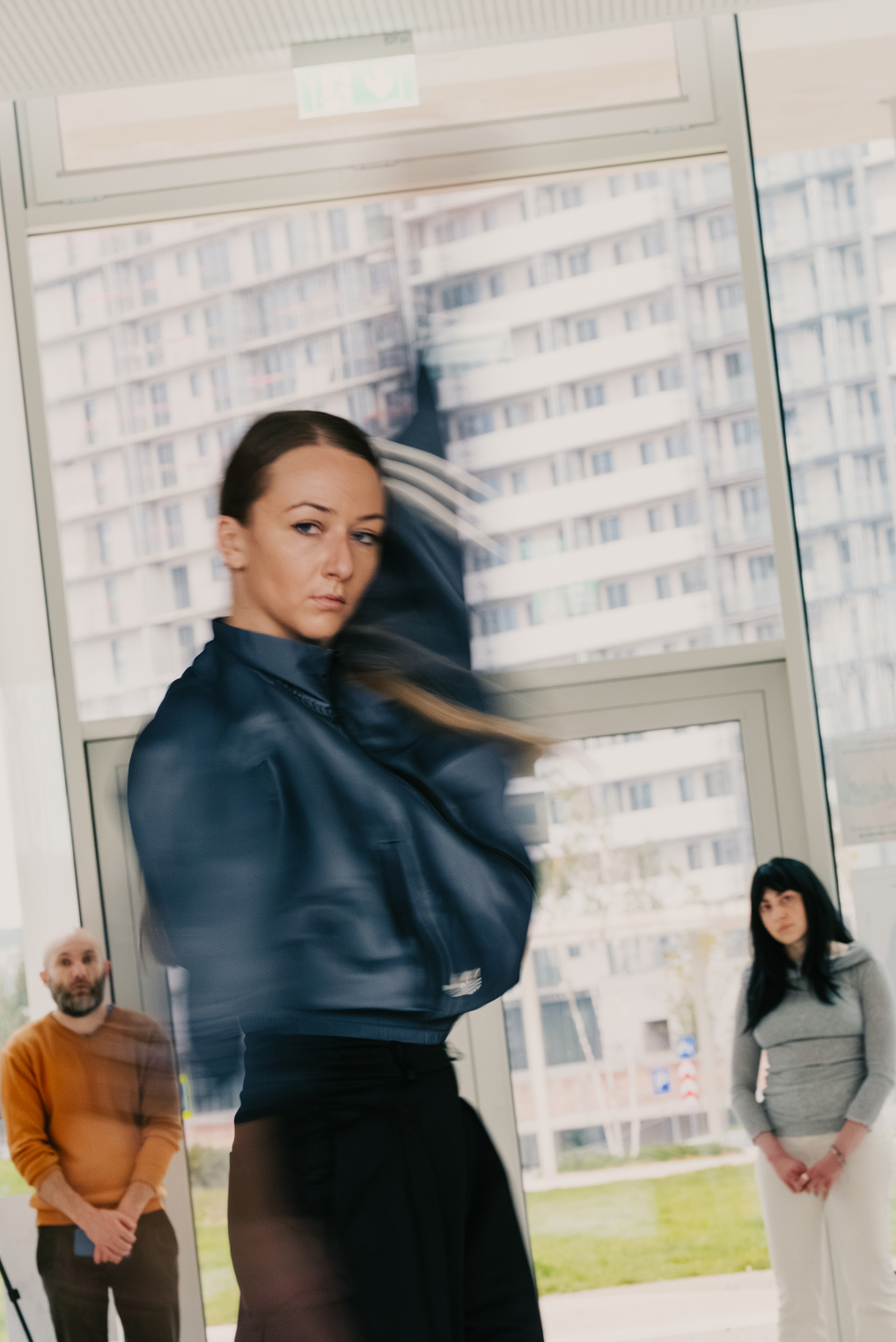
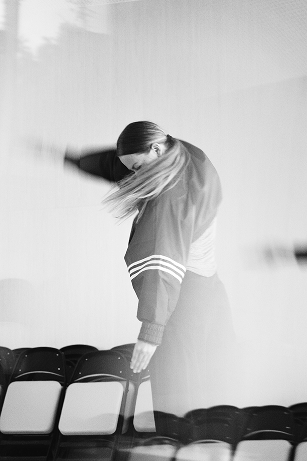
In this vision, the vortex becomes a body that reflects the centrifugal motion of the phenomenon, mirroring both the force of nature and the present time with its speed and intensity.
The vortex is also viewed in its cosmic dimension: a phenomenon that exists in the universe in various forms, a shared vertigo that encompasses us all.
The investigation of present time and the space of encounter within a vortex has also led to questions about proximity and approximation, as well as questions that point toward the continuous flows of the present—social, political, technological—within a global context marked by crises and transformations. Who are we and where are we heading?
Proximity, because at least two entities/currents/bodies/consciousnesses must enter into a shared/proximal space. Approximation, because whatever takes shape within and between these entities/bodies/consciousnesses can never be fixed, but only a temporary form, a sketch in motion.
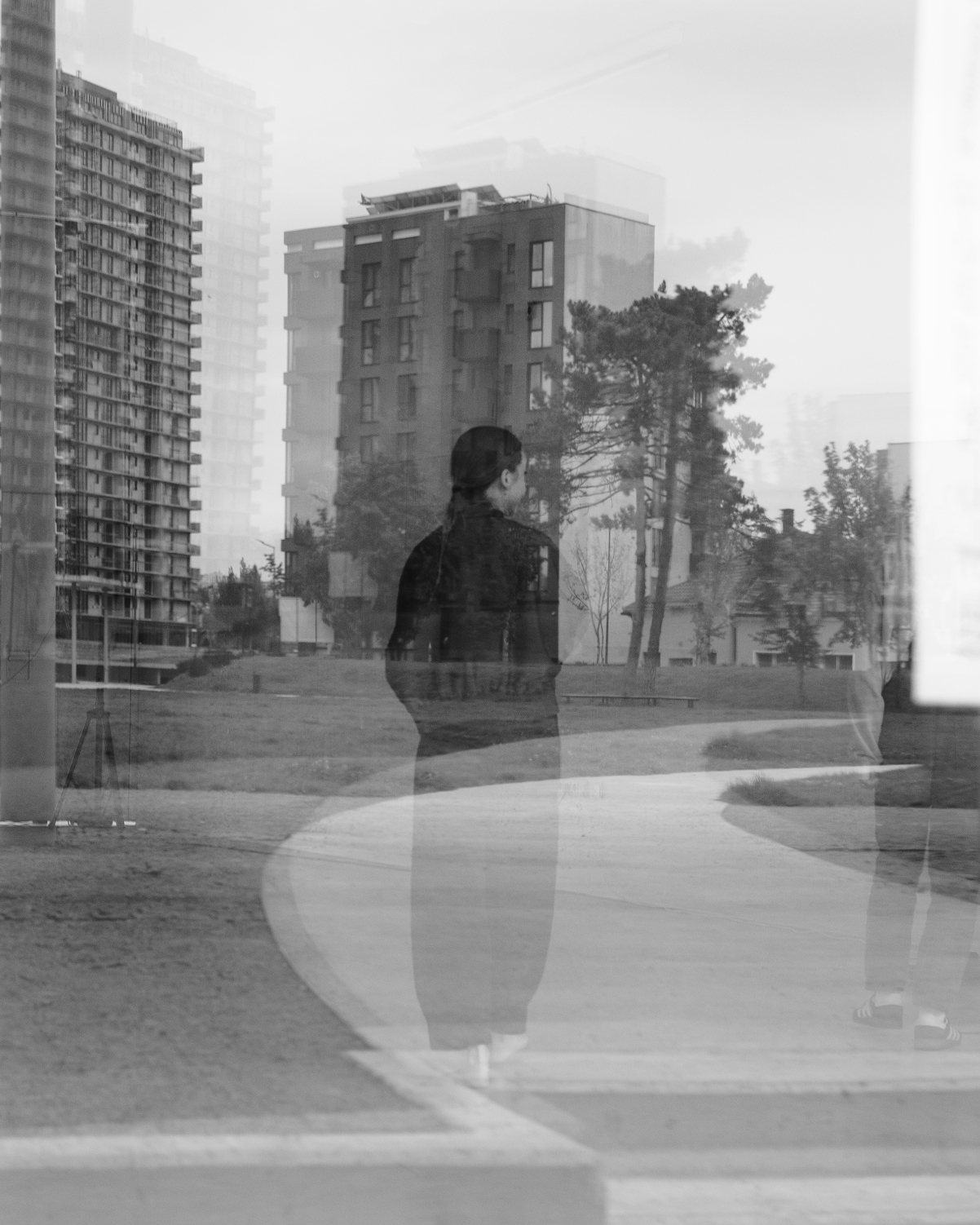
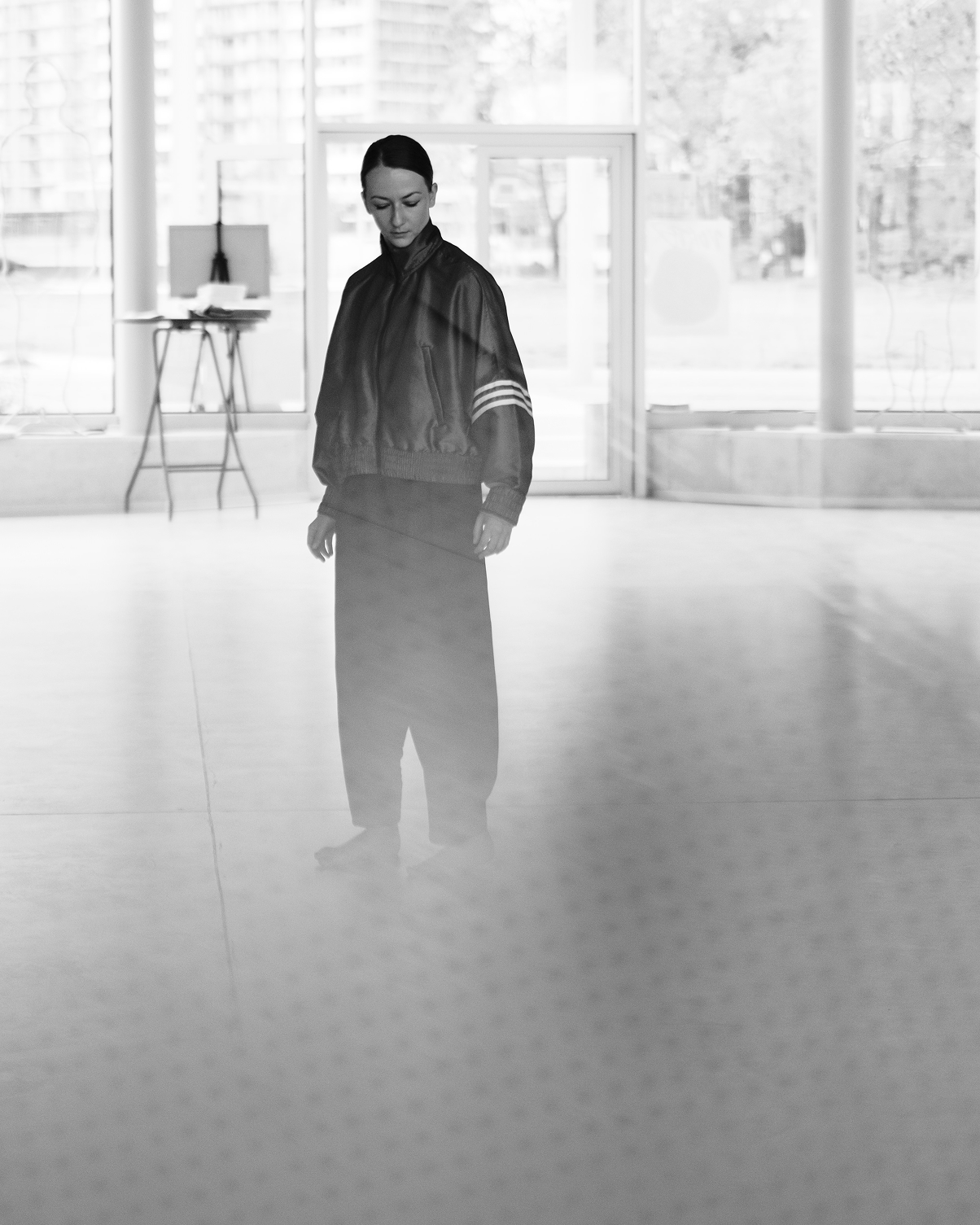
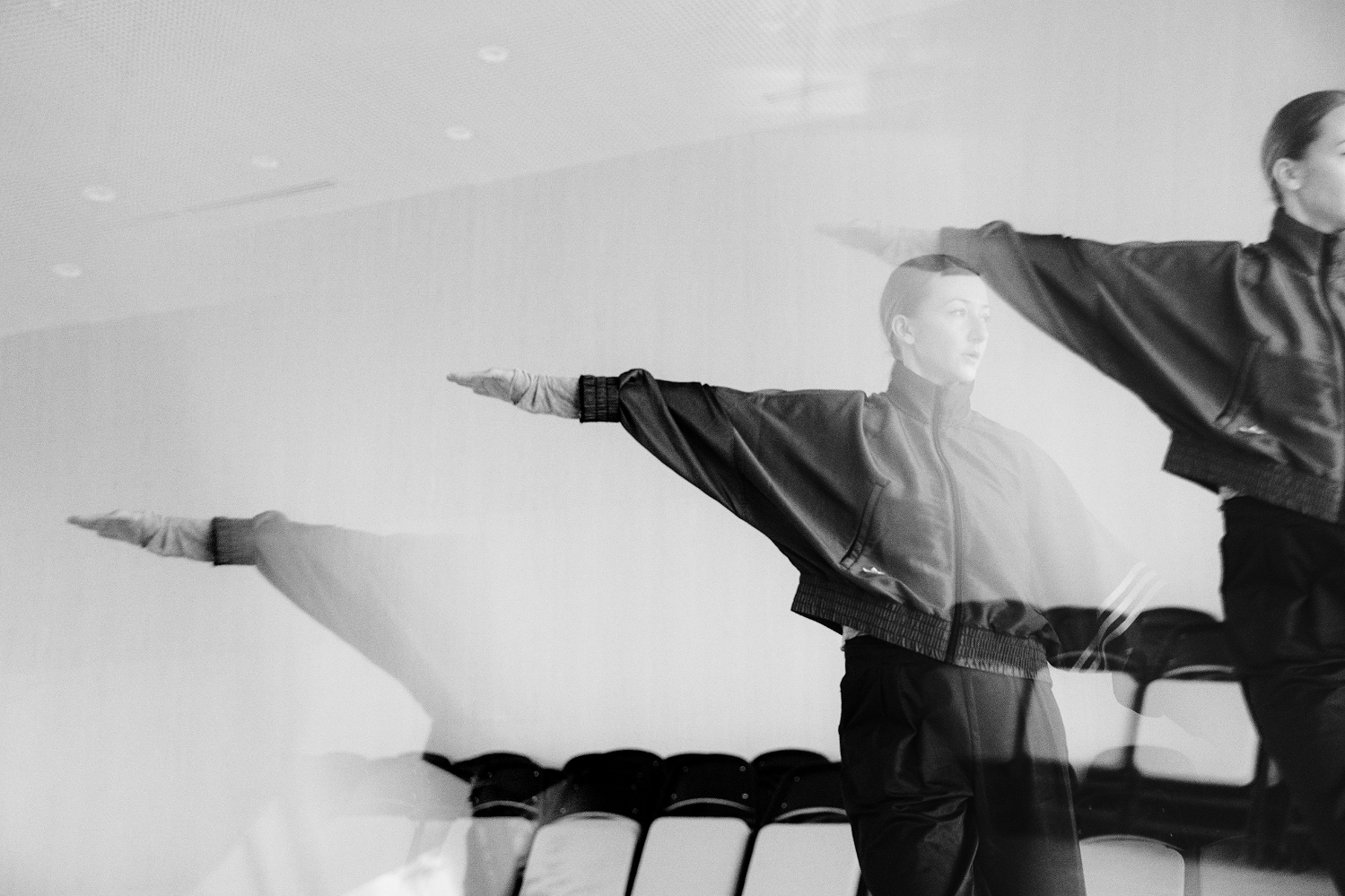
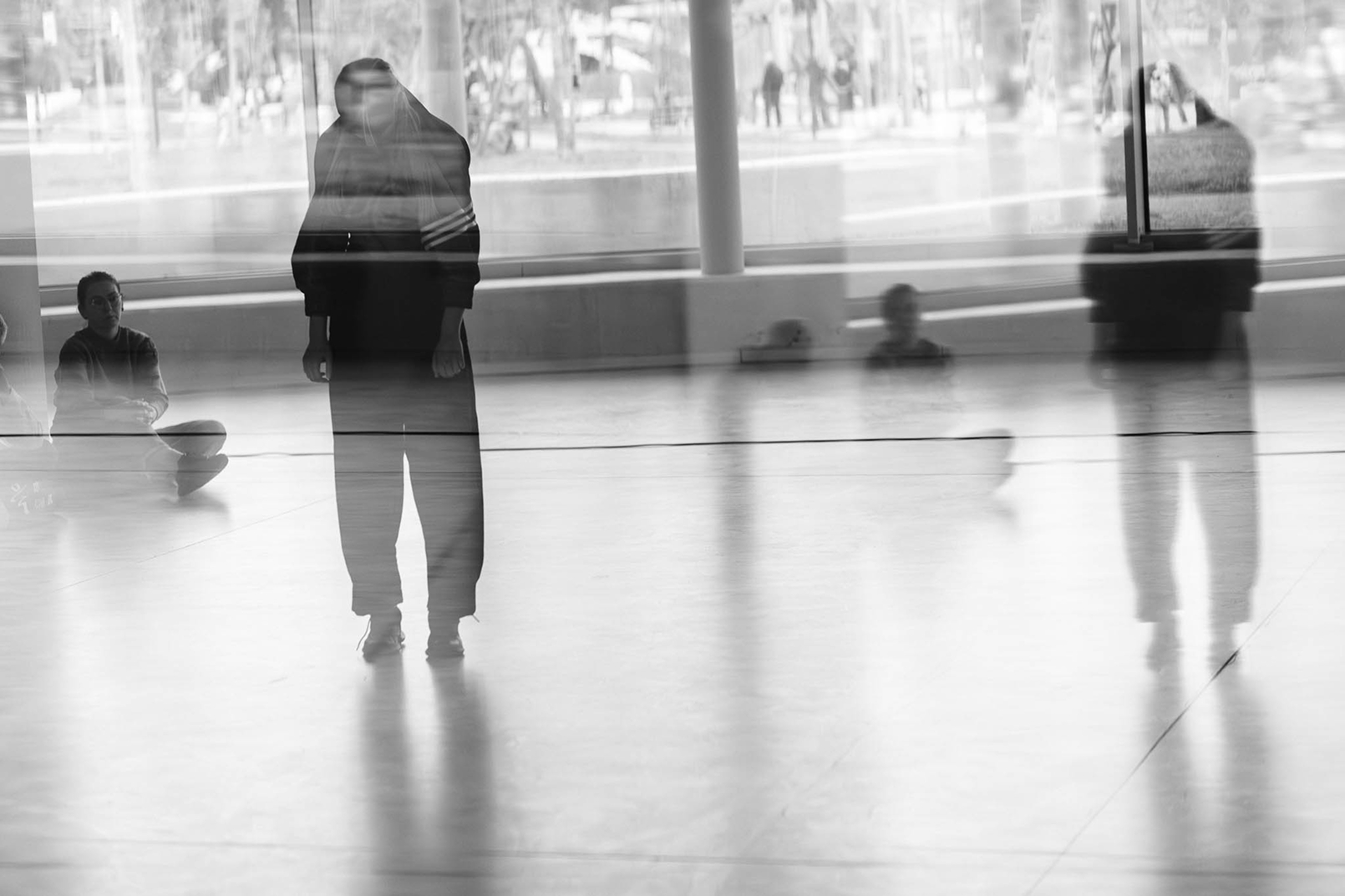
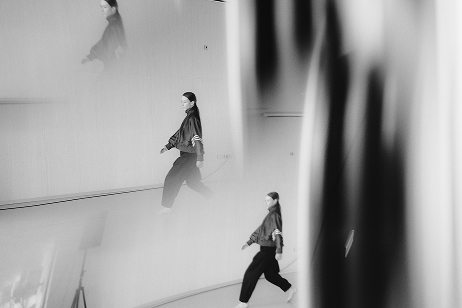
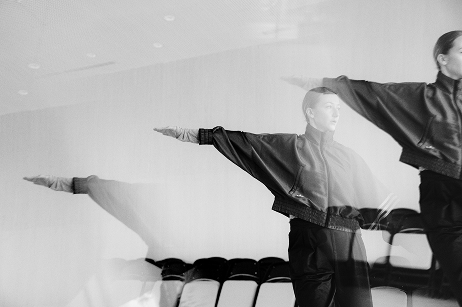
A precise form of the meeting space can only be outlined once the event of the encounter has already acquired its memory. Thus, the proposal for the aesthetic dimension of the vortex—imagined as a “void full of possibilities”—is a layering of fragments.
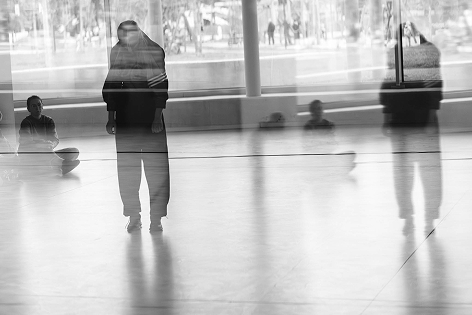
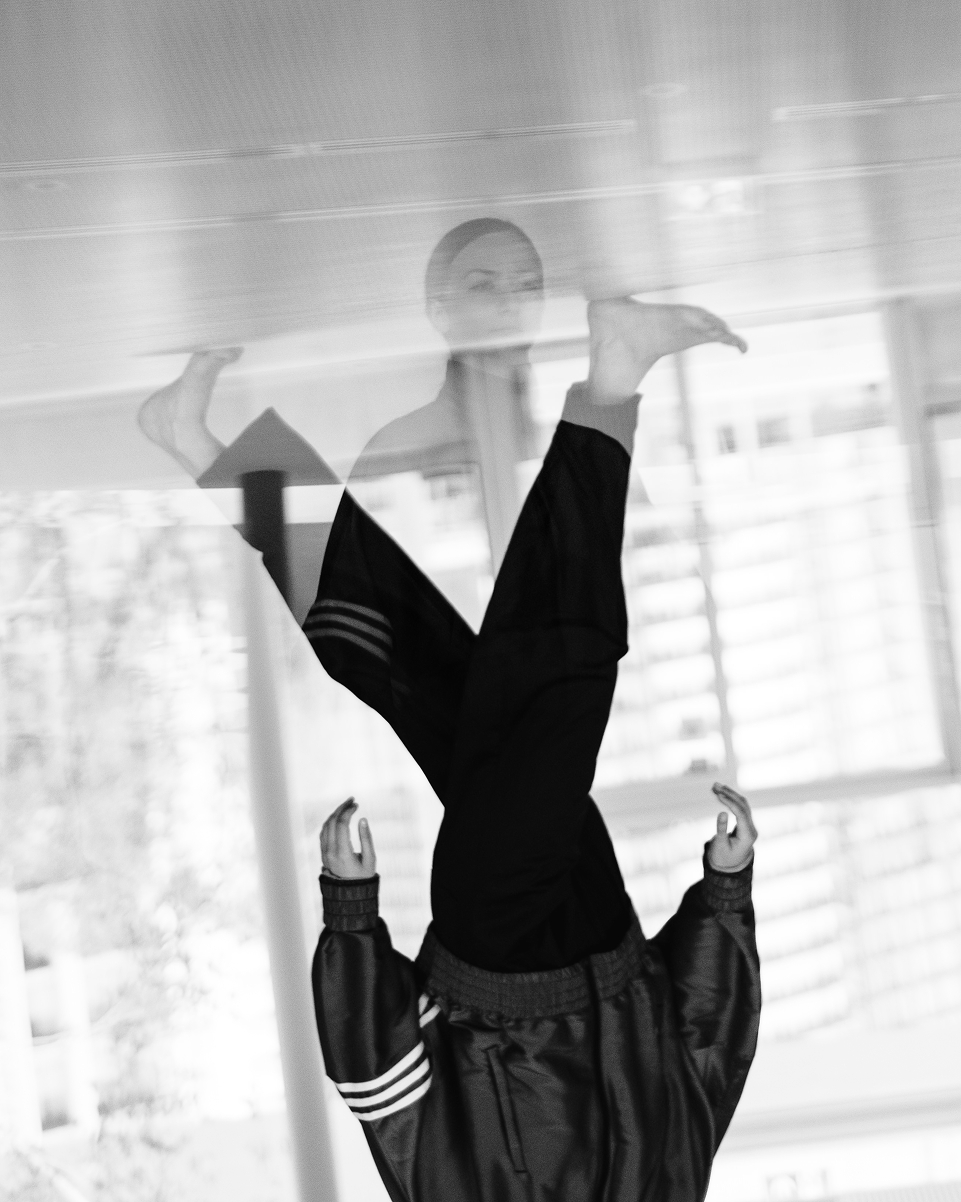
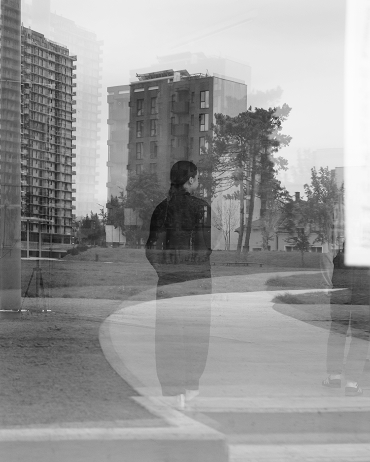
The relationship that emerges between these fragments and bodies, as well as within the space that sustains them and makes their existence possible and visible, gives rise to multiple configurations (possibilities) of reflection and refraction.
The vortex also opens the possibility of a new balance—fragile, temporary, yet necessary—in which presence becomes affirmation, and instability becomes a form of active adaptation.
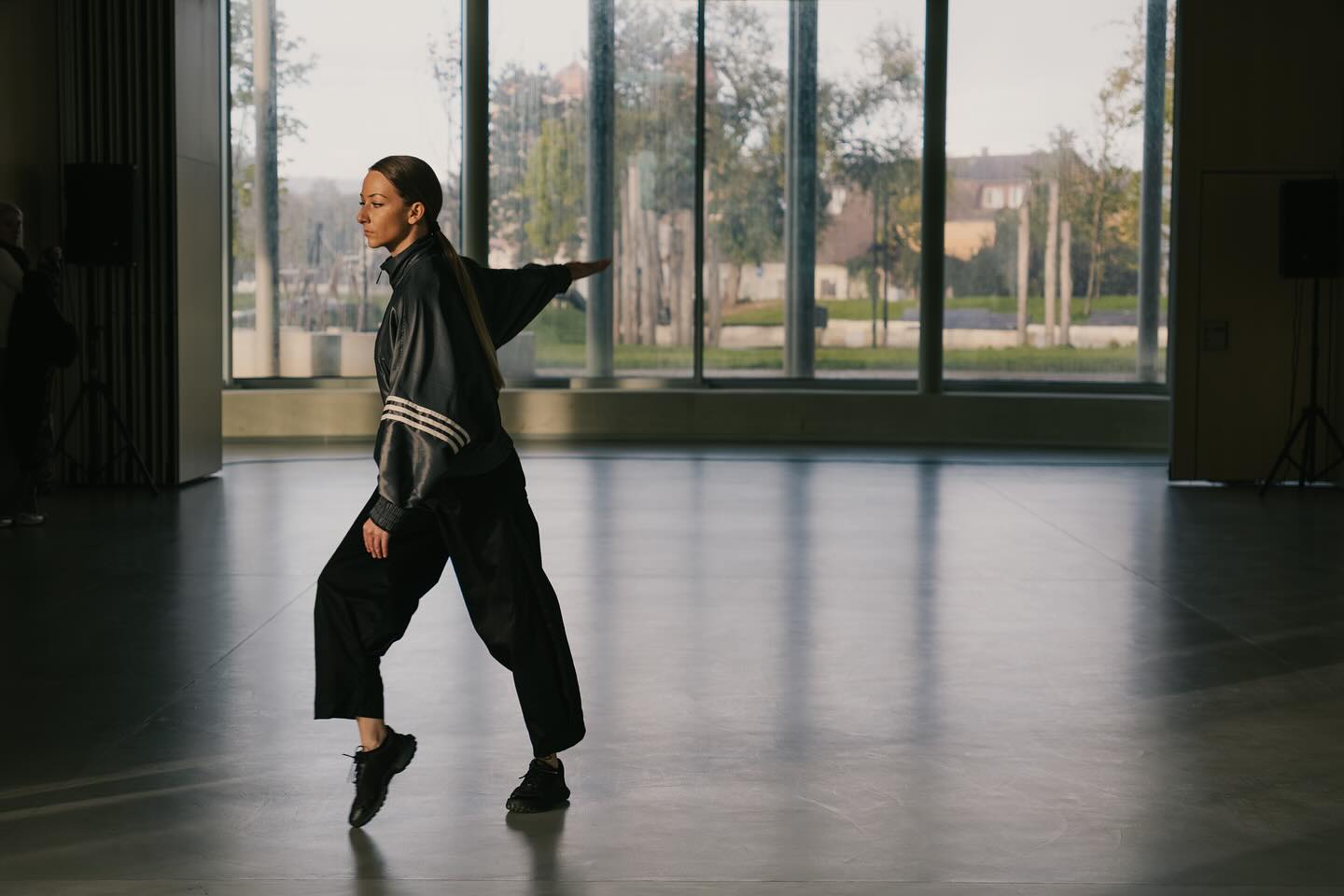
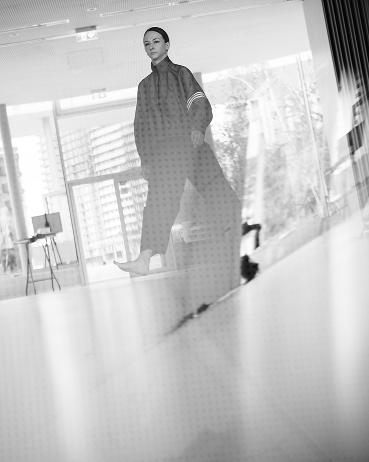
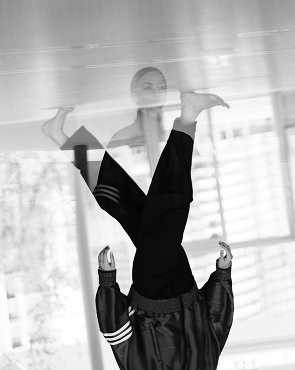
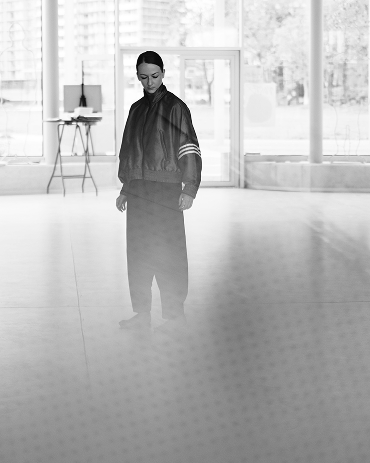
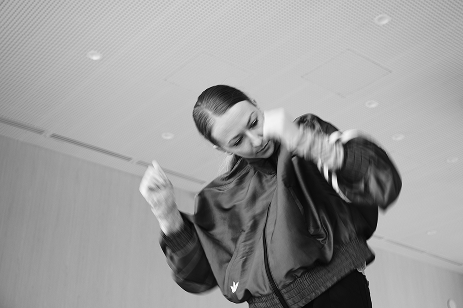
Rehearsals

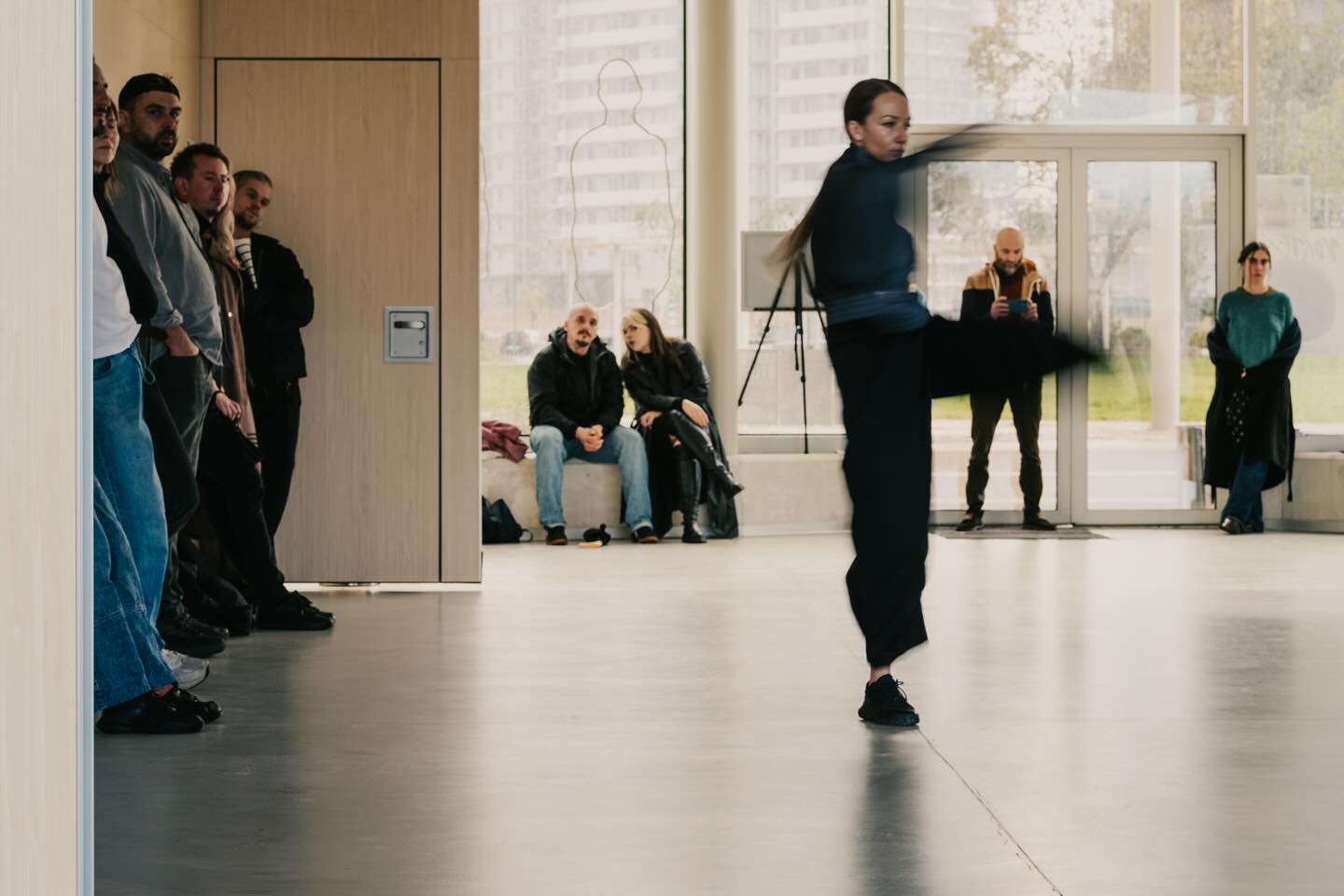
Show